Forklifts are an essential piece of equipment in many industrial and commercial settings, helping to move heavy loads and streamline operations. However, like any machinery, forklifts can experience wear and tear over time, and recognizing the signs that repairs are needed is crucial for maintaining productivity and safety. Ignoring these signs can lead to more significant problems down the line, not to mention safety hazards. In this article, we will outline the primary indicators that you need forklift repairs, ensuring that you can address issues before they escalate.
One of the most obvious signs that your forklift may need repairs is unusual noises during operation. Forklifts are designed to operate relatively quietly, so if you begin to hear grinding, screeching, or thumping noises, it could indicate issues with the engine, transmission, or other critical components.
These sounds often warn of mechanical failures that could lead to more severe damage if not addressed promptly. Additionally, these noises may not just be an annoyance; they could signify problems that could compromise safe operation. Therefore, it is essential for operators to report any strange noises immediately so that a thorough inspection can be conducted.
Another key sign that your forklift might require repairs is a decrease in performance, which can manifest in several ways. For instance, if the lift is struggling to raise its maximum load or if it is slower than usual when moving, these are clear indicators that something is wrong. Potential causes could range from hydraulic system issues to engine performance problems. Particularly, if the forklift starts to require longer periods to recharge or fuel up, this indicates inefficiencies that necessitate further examination. Timely addressing performance issues helps prevent more extensive repairs and downtime in the future.
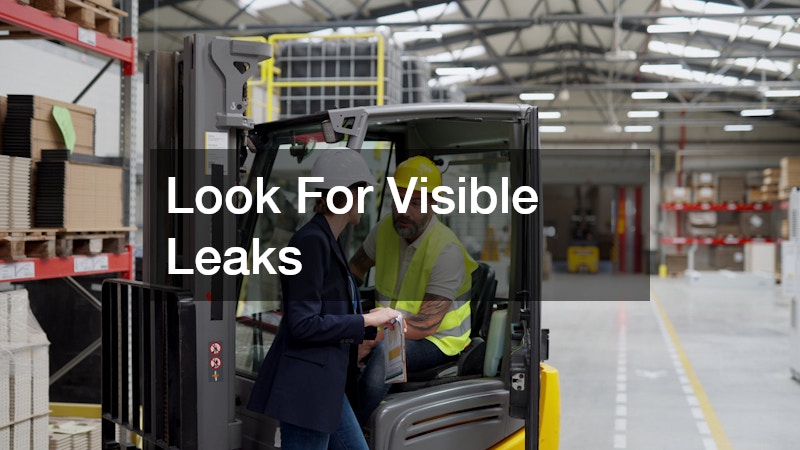
Visible leaks, whether hydraulic fluid, oil, or other fluids, are serious signs that your forklift needs attention. Hydraulic fluid leaks, for instance, can lead to a decrease in lifting power, and ignoring these leaks could potentially lead to complete hydraulic system failure. Similarly, oil leaks can indicate issues with the engine or transmission, which if left unattended, can result in severe damage and costly repairs. Inspecting your forklift regularly for fluid leaks is a small but essential part of maintenance that can save you from significant repair bills down the line. Catching these leaks early ensures that your equipment remains safe and functional.
Forklifts are equipped with various warning lights and gauges that serve to alert operators about any issues. If your forklift’s dashboard displays warning lights or error messages, this is an immediate sign that repairs are needed. Many modern forklifts come equipped with diagnostic systems that provide valuable feedback on the status of various components. Ignoring these indicators can lead to a deterioration of equipment performance, and it can further escalate minor issues into major malfunctions. It is prudent to consult the user manual for your specific forklift model for guidance on troubleshooting and understanding what each warning might signify.
Lastly, if your forklift has difficulty steering or exhibits uneven wear on its tires, these can be concerning indicators that it might be due for repairs. Steering issues can point to problems within the wheel assembly, hydraulic system, or even alignment issues. Similarly, uneven tire wear often occurs as a result of improper load distribution or mechanical issues, which could lead to safety risks. Operators should monitor their forklifts regularly for such signs and report them immediately for further inspection. Keeping your equipment well-aligned and well-maintained is essential for safety and efficiency in your operations.
In conclusion, being proactive about recognizing the signs that your forklift needs repairs can enhance operational efficiency and safety. Whether it’s unusual noises, performance issues, fluid leaks, warning signals, or steering difficulties, timely detection and intervention can prevent minor problems from escalating into major repairs. Maintaining an ongoing relationship with a qualified repair service ensures that your forklifts remain in top working condition, ultimately saving you time and money in the long run. Remember, the goal is to keep your operations running smoothly, so make sure to address these warning signs promptly.