
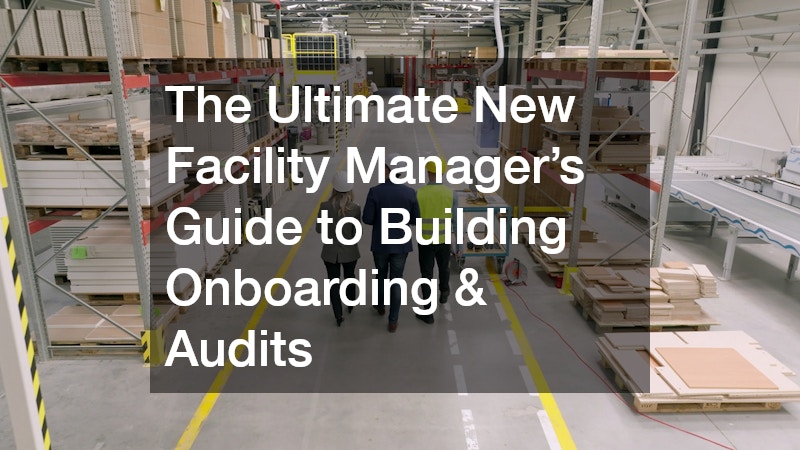
Stepping into the role of a facility manager for a new property is an exciting milestone, but it also brings a massive wave of daily responsibilities. The first few weeks on the job often feel like a whirlwind of keys, clipboards, and unexpected maintenance requests. A new manager inherits not just a physical structure, but a complex web of past repair choices, hidden maintenance backlogs, and existing vendor contracts. To succeed, a systematic approach to building onboarding is completely necessary. This guide offers a comprehensive blueprint for auditing a new facility, helping managers gain total control over their operational environment from day one.
Every commercial property carries a distinct operational history. Some properties have been meticulously documented by previous teams, while others require a bit of detective work to truly understand. The ultimate goal during the onboarding phase is to eliminate sudden operational surprises that drain company resources and time. When a pipe bursts at midnight or an HVAC unit fails during a summer heatwave, the facility manager must know exactly where the shutoff valves are located and which vendor to call. This level of readiness is built during the initial audit phase, which requires an objective look at every square foot of the property.
Onboarding is also about setting a clear baseline for daily operations, tenant comfort, and overall cleanliness. One of the very first operational relationships a new manager should review is the current commercial cleaning contract. Evaluating the daily performance of the incumbent janitorial company will reveal whether the building is being maintained to standard or if sanitation deficiencies are flying under the radar. Checking high-traffic zones, carpets, and restroom cleanliness provides an immediate indication of the building’s operational health and vendor accountability. Beyond cleanliness, the physical structural integrity of the property demands deep, immediate attention to prevent environmental degradation.
Evaluating the Envelope: Exterior Walls, Roofs, and Windows

A facility’s exterior envelope is its first line of defense against changing weather patterns and environmental wear. If the exterior fails, everything inside the building is at immediate risk of damage. A thorough visual inspection of the outer perimeter should be high on any new manager’s priority list during their first thirty days on the job. This means walking the property line, looking closely at concrete foundations, checking drainage paths, and examining structural expansion joints for signs of cracking or shifting. Water intrusion is the primary enemy of commercial real estate, making early detection a massive long-term money-saver.
The roof requires specialized attention during this introductory audit process because minor defects can hide in plain sight. While a general walk-through can reveal obvious debris, blocked drains, or standing water, it takes an expert eye to spot hidden issues like micro-tears in a TPO membrane or failing flashing around HVAC curbs. Scheduling a comprehensive inspection with a professional commercial roofer within the first month ensures that any minor issues are addressed before they become catastrophic budget leaks. This proactive approach establishes a clear baseline for the remaining life of the roof asset, which is typically one of the most expensive systems to replace.
Moving down from the roofline, windows and perimeter glass deserve equal operational scrutiny. Older buildings often suffer from drafty window frames, degraded caulking, and compromised structural seals that drive utility bills skyward. Instead of opting for a complete, budget-crushing replacement of every window unit, an intelligent facility manager can look into specialized business window restoration services. Restoring existing windows can repair older frames, replace failing seals, and apply modern energy-efficient glass coatings at a fraction of the cost. This preserves architectural character while delivering an immediate boost to thermal performance.
Maximizing First Impressions and Entryway Aesthetics

The main entryway of a commercial property functions as more than just a standard door; it is the literal handshake between a business and its clients, visitors, and employees. A pristine, functional entrance projects professionalism, security, and attention to detail. Conversely, a sluggish, scratched, or outdated entryway can subtly damage a company’s corporate reputation before a guest even speaks to a receptionist. New managers must carefully evaluate both the cosmetic appearance and mechanical safety of all public entry points during their walk-throughs.
Modern commercial architecture heavily favors bright, open spaces that maximize natural light for visitors. If the current facility features an outdated, heavy metal storefront system or weathered wood doors, planning an entryway upgrade can transform the entire property’s atmosphere. Investing in a premium all glass entrance installation creates an open, welcoming environment that instantly modernizes a corporate headquarters. Beyond aesthetics, modern glass assemblies utilize tempered safety glass paired with heavy-duty commercial pivots and concealed hydraulic closers. These systems require precise installation to ensure they handle daily foot traffic while remaining fully compliant with local building codes.
During the entryway audit, managers must also check the functionality of automatic door openers, access control readers, and weather stripping. A door that fails to close completely or catches on the wind is both a security liability and an energy drain. Ensuring these elements work in harmony with the building’s aesthetic upgrades keeps the facility running smoothly. The goal is to balance an inviting appearance with strict access management, which naturally leads into the broader topic of property security and back-of-house logistics.
Fortifying Security Measures and Operational Access Points

Once front-of-house aesthetics are accounted for, a facility manager must pivot their focus toward total building security and back-of-house logistics. Security onboarding involves mapping out every single point of entry, from employee side doors to emergency exits, stairwells, and shipping bays. It is startling how many commercial buildings operate with compromised key control systems, where former tenants or employees still hold physical keys to sensitive interior rooms, IT closets, or inventory zones. Gaining clarity on who has access to what is paramount for risk mitigation.
To reclaim complete control over the property’s perimeter and interior boundaries, establishing a relationship with dependable business locksmiths is an indispensable step. A professional locksmith team can perform a comprehensive lock audit, identify worn cylinders, and help design a master key system tailored to the organization’s current hierarchy. They can also recommend transitions to electronic access control systems, which utilize keycards, fobs, or smartphone credentials. This shift allows the facility manager to instantly revoke access privileges and track entry logs in real-time, drastically reducing the long-term costs associated with rekeying physical locks whenever personnel changes occur.
Moving further into logistics and shipping zones, the loading dock demands its own focused assessment. The loading dock is the beating heart of warehouse operations, meaning mechanical downtime here can quickly paralyze a company’s supply chain. Managers should carefully test every commercial garage door on the property, paying close attention to motor sounds, spring tension, and track alignment. These massive doors move under immense tension and pose severe safety risks if components fail. Routine inspection of rollers, tracks, and weather seals prevents sudden operational bottlenecks and protects dock workers from injuries.
Inspecting Internal Power Distribution and Critical Infrastructure
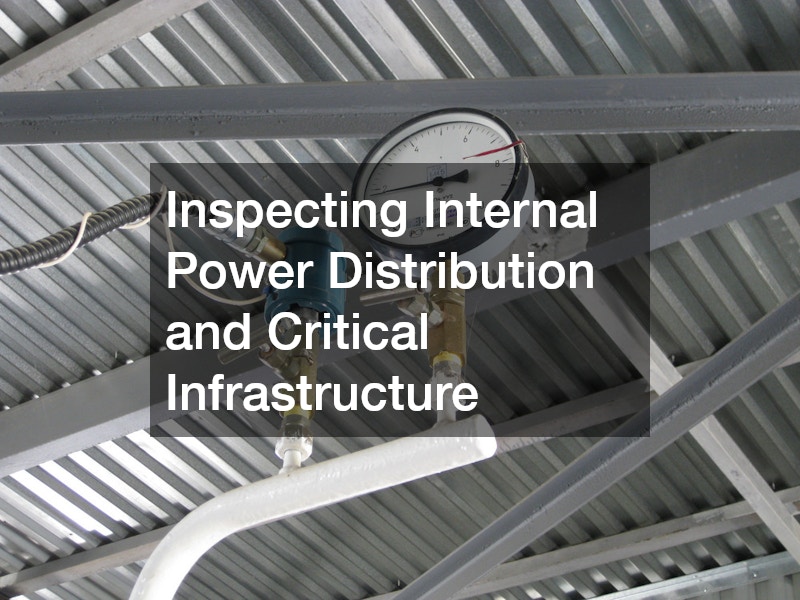
The core infrastructure of any commercial building operates silently behind the walls, flowing through utility rooms and complex electrical conduits. A facility manager cannot manage what they cannot see, making a deep-dive audit of the building’s power distribution networks absolutely critical. Overloaded circuits, outdated breaker panels, and improper field wiring are not just operational annoyances — they are leading causes of commercial property fires, equipment damage, and expensive machinery failures. Identifying these hazards early protects both human lives and physical corporate assets.
A new manager should immediately locate the main electrical room, sub-panels, and disconnect switches. Hiring a qualified commercial electrician to perform an initial infrared thermography scan of the panels is a highly recommended best practice during the onboarding period. This non-invasive testing uses thermal imaging to detect abnormal heat signatures inside breakers and wiring connections, exposing hidden electrical overloads or loose terminals before they trigger an unexpected power outage. Furthermore, the electrician can verify that the facility complies with modern National Electrical Code standards and ensure that arc flash risk assessments are up to date, which keeps the property compliant with workplace safety regulations.
In tandem with power distribution, the building’s interior and exterior lighting systems should be carefully audited. Transitioning older fluorescent fixtures to modern LED alternatives represents a quick budget win for a new manager. To ensure comprehensive facility mapping, managers should verify that the following core systems undergo a full functional check:
- Emergency backup battery lighting units along main hallways.
- Illuminated exit signs over all primary and secondary egress paths.
- Exterior security lighting, timers, and motion-activated sensor arrays.
- Photocell sensors and localized control panels for exterior parking lots.
This specific baseline check ensures that building safety paths function flawlessly during a simulated power disruption, keeping occupants safe during an evacuation while optimizing energy efficiency.
Optimizing Interior Layouts, Safety Storage, and Employee Areas
With the building’s structural shell, security apparatus, and electrical backbones verified, the focus shifts inward to the daily workspace environment. A well-organized interior directly influences operational efficiency and staff morale. Cluttered maintenance closets, messy tool rooms, and chaotic supply bays slow down repair times and create unnecessary workplace safety hazards that can lead to compliance penalties. Creating dedicated zones for materials helps establish an orderly workflow across all maintenance tiers.
To streamline operations, outfitting supply rooms and maintenance workshops with a heavy-duty commercial storage cabinet is a practical and highly effective upgrade. Industrial-grade cabinets provide secure, organized storage for specialized tools, sensitive testing equipment, or required maintenance chemicals. Properly labeling these storage units ensures that team members can locate items quickly, reducing wasted search time during urgent repair scenarios. Additionally, lockable cabinets assist in regulatory compliance, allowing the facility team to isolate hazardous materials or janitorial supplies away from general staff access while keeping required safety documents easily accessible nearby.
Employee comfort in shared common areas, such as breakrooms and cafeterias, should never be treated as an afterthought by facility directors. A fully functional, inviting break area is essential for maintaining worker satisfaction across all departments. When reviewing breakroom appliances, the condition of food-service and beverage equipment requires close attention. Partnering with a reliable technician to inspect or install a high-capacity local commercial ice machine ensures a steady supply of sanitary ice for employees, which is particularly vital in industrial, warehouse, or high-temperature work environments. Clean water filtration loops and scheduled sanitization cycles must be established for these machines to prevent dangerous microbial growth and ensure compliance with local health department standards.
Establishing Preventative Maintenance Schedules and Mobile Operations
The final phase of a successful facility onboarding strategy involves synthesizing all audit findings into a living, breathing preventative maintenance plan. Software tools, such as Computerized Maintenance Management Systems, can help automate tracking for asset lifespans, warranty information, and routine service intervals. Documenting these processes ensures that organizational knowledge remains within the company, even if individual team members transition out of their roles over time. This data-driven approach transforms facility management from reactive firefighting into a smooth, predictable operational cycle.
As part of a comprehensive operations audit, managers should look beyond fixed building assets and evaluate any mobile equipment or service vehicles managed by the department. Maintenance vans and corporate fleets are highly visible representations of company professionalism within the community. Working with specialized commercial vehicle wrap services allows a business to transform ordinary, plain white utility vans into high-impact, mobile marketing assets. A professionally wrapped vehicle protects factory paint from scratches while displaying clear corporate branding, contact details, and licensing numbers. This ensures that whenever technicians are out in the field, they project a polished image that reinforces community trust.
Ultimately, building onboarding is not a one-time event, but the foundation for an ongoing culture of operational excellence. By methodically evaluating everything from cleaning standards and structural roofs to security hardware and electrical infrastructure, a new facility manager can confidently take control of their new domain. Taking the time to execute a rigorous, organized audit saves thousands of dollars in emergency repairs, enhances safety compliance, and creates an environment where employees and businesses can truly thrive for years to come.