
Managing a commercial property requires balancing dozens of moving parts at any given time. From ensuring occupant comfort to protecting physical assets, managers face a continuous stream of operational challenges. A single overlooked maintenance issue can quickly escalate into a costly emergency repair, while a minor lapse in security can compromise safety. Because of these high stakes, relying on a reactive approach is rarely sufficient. Instead, successful operators utilize structured, comprehensive assessments to stay ahead of hazards. An organized commercial property maintenance and security audit serves as a proactive shield against operational disruptions. By implementing a systematic review of the physical infrastructure and protective measures, businesses preserve long-term financial investments. This guide outlines the core elements of an effective audit, detailing how routine inspections safeguard operations. Taking a methodical approach reduces liabilities, keeps operating costs predictable, and ensures full compliance with safety regulations. When every system is evaluated regularly, property leaders identify small vulnerabilities before they transform into major financial burdens. The following framework provides a practical plan for maintaining a secure, efficient commercial environment year after year.
Maximizing Ground Safety and External Curb Appeal
The exterior of a commercial facility provides the first impression for clients, visitors, and prospective tenants. Neglected grounds damage a brand’s reputation and introduce safety hazards that increase liability. Potholes, uneven sidewalks, and faded lane markings lead to preventable accidents or vehicular damage. Property managers must inspect all driving surfaces, sidewalks, and loading docks quarterly for shifting ground or cracks. Over time, heavy delivery trucks and changing weather patterns naturally degrade asphalt surfaces, creating structural weaknesses. Addressing these issues early prevents small fractures from expanding into deep craters that require full excavation. When surfaces show signs of widespread wear, hiring a professional commercial asphalt paving service becomes necessary to restore safety. Beyond parking lots, the exterior inspection covers the functionality of outdoor lighting and the clarity of directional signage. Walkways must remain clear of debris, overgrown landscaping, and seasonal hazards like ice or standing water. Well-maintained grounds signal to visitors that the property is managed with care, reducing the risk of costly legal claims. Keeping external pathways pristine remains a foundational step in any comprehensive facility plan.
Preserving the Structural Integrity of the Roof
An overlooked aspect of building maintenance is the overhead shield that protects everything inside the facility. Overhead structures face constant exposure to extreme sun, heavy rain, high winds, and fluctuating temperatures. Because roofing systems are generally out of sight, leaks and structural deterioration can go completely unnoticed until water begins dripping into commercial workspaces. Regular biannual inspections help identify pooled water, compromised flashing, or punctured membranes that threaten internal assets. Debris such as fallen branches and leaves can accumulate in drainage systems, causing water to back up and stress load-bearing components. Working with qualified commercial roofers ensures that hidden vulnerabilities are detected through advanced techniques like thermal imaging or core sampling. These professionals identify moisture trapped beneath the surface long before it causes visible mold growth or structural wood rot inside the ceiling. Additionally, property managers must check all rooftop equipment mounts, skylights, and hatch seals during every routine audit. Ensuring these access points remain watertight protects sensitive equipment and prevents expensive indoor disruptions. A proactive roofing strategy extends the total lifespan of the asset and keeps insurance premiums manageable by providing consistent upkeep.
Optimizing Environmental Comfort Systems
Maintaining a comfortable indoor climate is directly tied to occupant productivity and overall tenant satisfaction. Large commercial buildings rely on sophisticated climate control networks to regulate temperature, humidity, and fresh air circulation throughout the day. When these systems operate inefficiently, energy bills skyrocket, and indoor air quality can rapidly deteriorate, leading to health complaints. Facilities teams should establish a strict preventative maintenance schedule that includes monthly filter replacements, belt inspections, and coil cleanings. Partnering with a licensed HVAC company allows property owners to receive expert diagnostic assessments regarding system efficiency and refrigerant levels. These specialists fine-tune complex dampers and digital thermostats to ensure optimal performance across different zones of the building. Regular calibration reduces the mechanical strain on expensive compressors and blower motors, extending their operational life. Clean ventilation systems also prevent the buildup of dust and airborne allergens, creating a healthier environment for employees and clients alike. Property managers must also keep detailed logs of all equipment performance metrics to track efficiency trends over time. Investing time into regular climate control audits ensures the indoor environment remains consistently pleasant regardless of harsh outdoor weather conditions.
Addressing Unexpected Cooling Failures
Even with rigorous preventative care plans, mechanical components occasionally wear out and fail unexpectedly. During peak summer heat waves, a sudden failure of the cooling infrastructure can disrupt business operations entirely, forcing temporary closures and causing financial losses. To mitigate these risks, facility managers must have emergency response protocols established well before a crisis occurs. This includes maintaining direct contact information for technicians who specialize in rapid AC repairs to minimize building downtime. Prompt intervention prevents indoor temperatures from rising to levels that could damage sensitive server rooms or warehouse inventory. During an audit, managers should test emergency shut-off valves and verify that all service access panels are clear of obstructions. It is also beneficial to check the condition of secondary cooling units that protect specialized technical zones. Training the internal maintenance staff to recognize early warning signs, such as unusual vibrations or strange noises from the chillers, can prevent total system shutdowns. Having an established relationship with repair specialists ensures the facility receives priority service to restore normal operations quickly.
Upgrading Internal Electrical Distribution Networks
A dependable electrical system serves as the lifeblood of modern commercial operations, powering everything from manufacturing machinery to office computers. Overloaded circuits, outdated wiring, and faulty breakers represent major operational hazards that lead to catastrophic electrical fires or expensive equipment damage. Annual electrical audits are necessary for verifying that the building’s infrastructure can safely handle current power demands. Utilizing thermal imaging during these inspections helps identify hidden hot spots within breaker panels, which indicate loose connections or overloaded components. Engaging certified electricians ensures that all testing is performed safely and in strict accordance with updated national electrical codes. These professionals perform critical tasks like testing ground-fault circuit interrupters, inspecting main distribution transformers, and verifying the integrity of surge protection devices. Property managers must ensure that all electrical rooms remain clean, dry, and entirely free of stored materials that could block access during emergencies. Clear labeling on all circuit directories saves valuable time when troubleshooting electrical issues or isolating circuits for maintenance. Keeping the electrical distribution network properly maintained protects physical assets and guarantees a safe working environment.
Safeguarding Operations with Reliable Backup Power
Power outages caused by severe weather, grid failures, or utility accidents bring commercial activity to a sudden halt. For many businesses, even a brief interruption in electrical power results in lost data, spoiled inventory, and compromised security systems. To protect against these costly disruptions, facilities frequently install robust emergency power systems capable of carrying the building’s critical electrical load. Simply having this equipment on site is not enough; it must be regularly tested under simulated load conditions to guarantee it activates instantly during a true blackout. A local industrial generator requires consistent fuel quality management, battery checks, and oil changes to maintain peak operational readiness. During the routine property audit, maintenance teams should verify fuel levels, inspect coolant lines, and check for any signs of fluid leaks. The automatic transfer switch, which shifts the building’s electrical load from the grid to the backup system, must also be tested frequently. Keeping detailed logs of these operational tests fulfills regulatory requirements and provides peace of mind that the property can withstand extended utility outages without losing operational capacity.
Managing Subsurface Drainage and Waste Infrastructure
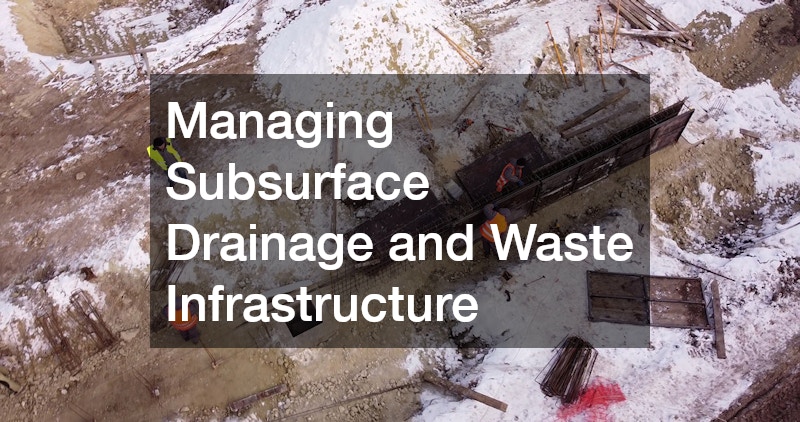
The underground plumbing and wastewater networks of a commercial property are easily overlooked until a backup occurs, creating a sanitary crisis. Blocked main lines cause sewage to back up into public areas, resulting in immediate health hazards, property damage, and forced business closures. Commercial drainage systems handle high volumes of waste and are susceptible to accumulation from grease, mineral scale, and foreign objects. Implementing a preventative sewer cleaning service helps clear out these stubborn obstructions before they cause complete pipe blockages. Regular hydro-jetting and camera inspections allow facilities teams to assess the internal condition of pipes, identifying root intrusions or structural collapses early. Additionally, property managers must inspect grease traps, sump pumps, and backflow preventers to ensure they operate correctly. Keeping storm drains clear of leaves and debris prevents parking lots from flooding during heavy downpours, protecting both the grounds and the building’s foundation. Maintaining a clear and functional waste management infrastructure eliminates unexpected plumbing emergencies and ensures the facility complies with municipal environmental health standards.
Reinforcing the Outer Perimeter Defenses
Security begins at the very edge of the property line, where physical barriers control access and deter unauthorized entry. A vulnerable perimeter invites trespassing, vandalism, and theft, compromising the safety of the entire commercial facility. Property audits must include a thorough physical inspection of all boundary lines, gates, and barrier systems to identify structural weaknesses. Installing a heavy-duty security fence provides a powerful visual and physical deterrent against potential intruders looking for easy targets. During the inspection, teams look for cut wires, loose posts, or gaps where soil erosion has created openings beneath the barrier. Automatic security gates should be tested to ensure that safety sensors, card readers, and mechanical closing arms function flawlessly. Overhanging tree branches near the perimeter must be trimmed back regularly to prevent intruders from using them to bypass the fencing. Additionally, clear signage indicating the property is under active surveillance should be posted prominently along the boundary. Strengthening these outer boundaries establishes a solid first line of defense that keeps the entire property secure.
Deploying Trained Personnel for Asset Protection
While physical barriers provide excellent deterrence, human oversight remains an indispensable component of a comprehensive security strategy. Security personnel offer the critical thinking, adaptability, and immediate response capabilities that automated systems cannot replicate. Having a visible security presence on site reassures employees and visitors while discouraging individuals with malicious intent from attempting criminal activity. Contracting with a reputable security guard service allows property managers to position trained professionals at main entry points, reception desks, or loading docks. These guards manage visitor logs, verify credentials, and monitor security camera feeds in real time to spot suspicious behavior immediately. During a property audit, managers should review the guard service’s standard operating procedures and emergency response protocols to ensure alignment with facility goals. It is also important to verify that communication equipment between the guards and facility management functions perfectly throughout the entire property. Utilizing professional personnel ensures that any security anomalies are handled swiftly and professionally, minimizing risk to life and property.
Implementing Comprehensive Security Patrol Protocols
A static security posture can leave blind spots across large commercial campuses, warehouses, or multi-building office parks. To counter this, implementing mobile monitoring strategies ensures that all areas of the property receive consistent, active oversight throughout the day and night. Establishing a structured security patrol routine forces guards to move through predetermined routes, checking secondary doors, dark alleyways, and distant parking lots. These random patrols make it incredibly difficult for potential intruders to predict guard movements or find unmonitored windows of opportunity. During the facility audit, property managers should review electronic patrol logs to ensure all checkpoints are visited according to schedule. It is also important to evaluate the lighting levels along these patrol routes to eliminate dark corners where individuals could hide. Combining mobile guards with modern surveillance technology ensures the entire facility remains under close watch. This active layer of defense allows for the rapid detection of property damage, unsecured doors, or unauthorized vehicles on the grounds.
A Proactive Strategy for Long-Term Success
Executing a thorough commercial property maintenance and security audit requires dedication, planning, and collaboration with trusted industry professionals. By systematically evaluating everything from parking lot surfaces to backup power systems and perimeter defenses, property managers protect investments from unexpected failures. Routine inspections reduce long-term operational costs, eliminate safety hazards, and create a secure environment where businesses thrive without interruption. Taking a proactive approach ensures minor maintenance needs are addressed before they become expensive, disruptive emergencies. Ultimately, a well-maintained and highly secure commercial facility safeguards assets, supports daily operations, and provides complete peace of mind for everyone on the property.