
The decision to relocate or expand a corporate headquarters represents a defining moment in an organization’s lifecycle. It is a complex corporate initiative that demands a clear strategic vision, exhaustive operational planning, and flawless execution. When leadership teams decide to move, they are not merely changing their mailing address or upgrading their office square footage. Instead, they are reshaping the operational future of the entire enterprise, redefining corporate culture, and positioning the business for a new era of global growth. This blueprint serves as a comprehensive guide for executives navigating this significant corporate transition.
A successful relocation begins long before any physical boxes are packed or new commercial leases are finalized. It starts with a rigorous internal assessment of why the move is necessary and what long-term goals it should achieve. Organizations often outgrow their current spaces due to rapid hiring, market expansion, or shifting technological needs. A new headquarters offers an absolute blank slate to design a physical environment that fosters cross-departmental collaboration, drives innovation, and aligns perfectly with long-term corporate goals. However, moving an entire operation requires balancing real estate logistics, financial forecasting, and human resource management simultaneously. Executives must treat the relocation as a core business strategy rather than a simple real estate transaction to ensure the substantial capital investment yields maximum operational returns over the next decade. Choosing the right region, understanding tax incentives, and evaluating local infrastructure are all part of this initial phase, which sets the tone for everything that follows.
Managing the Human Capital Transition
Retaining top talent and maintaining high employee morale are among the primary challenges during any major corporate transition. When a company changes its location, employees inevitably face personal adjustments, new daily commuting challenges, and general uncertainty about their roles. Clear, transparent, and timely communication from executive leadership is essential to alleviate these anxieties and prevent unwanted staff turnover. Executives must clearly explain the strategic advantages of the new location and outline how the workspace will improve the daily work experience for the entire team. Gathering employee feedback early in the process can also help leadership address specific concerns before they turn into major systemic issues.
Beyond maintaining current staff numbers, a corporate expansion presents a unique opportunity to reassess recruitment practices and human capital frameworks. Forward-thinking companies use this transitional phase to refine their talent engineering methodologies, ensuring they can attract highly skilled professionals in the competitive new local market. Providing robust, modernized benefits is another critical component of keeping workers engaged, motivated, and happy during a stressful corporate move. Offering a comprehensive business health insurance plan demonstrates a concrete commitment to the workforce’s long-term well-being, which significantly eases the natural anxieties associated with major organizational change. By prioritizing the human element through structured benefits and strategic hiring practices, businesses can maintain uninterrupted operational continuity and build a resilient team ready to thrive in their new corporate home.
Designing the New Physical Space
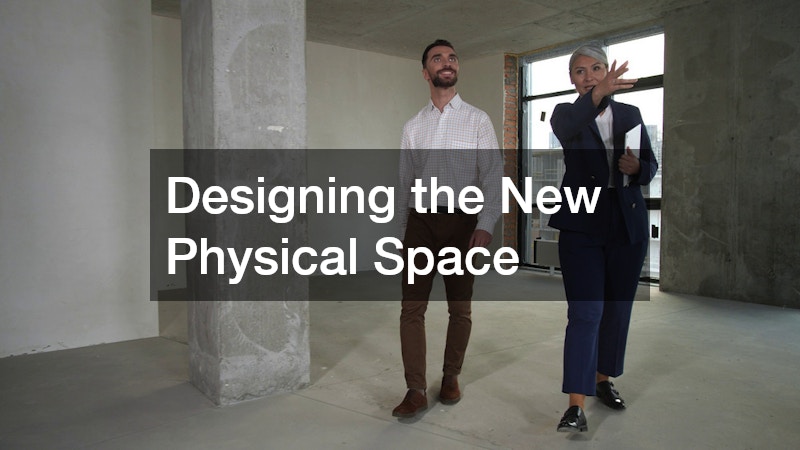
Once the strategic vision and human capital frameworks are firmly established, focus shifts to the physical design and aesthetic transformation of the new headquarters. The interior layout should reflect the brand identity while offering maximum functionality and comfort for daily operations. Workplace designs must carefully balance quiet focus areas with open, collaborative zones to support diverse work styles and cross-functional project teams. Every design choice, from acoustic paneling to ergonomic office furniture, plays a significant role in overall employee productivity, physical health, and job satisfaction. Designers must also consider future scalability, ensuring that the workspace can easily adapt as departments expand or shrink over time.
Flooring is an often-overlooked design element that heavily impacts both visual aesthetics and acoustic comfort within a busy corporate setting. Engaging a professional carpet installer ensures that high-traffic areas are durable, visually appealing, and properly fitted to reduce ambient noise levels across the entire floor. Along with quality flooring, clear visual communication within the new building is essential for creating a professional and welcoming atmosphere for everyone. Installing custom signs throughout the facility helps establish a powerful brand presence, guides visitors through complex hallways, and reinforces corporate identity on a daily basis. These carefully chosen design elements work together to transform a generic office building into a customized corporate hub that inspires employees and impresses visiting clients from the moment they step through the main entrance.
Establishing a Reliable Infrastructure
A modern corporate headquarters relies entirely on a robust and reliable technical infrastructure to support daily operations and digital connectivity. Smooth internet access, secure server rooms, integrated communication channels, and advanced smart workspace technologies require meticulous planning during the early build-out phase. Before any office furniture or desktop computers arrive at the facility, the underlying electrical grid must be thoroughly evaluated and configured to handle the heavy demands of enterprise-level operations. Failure to address these core technical requirements early can lead to expensive delays and disruptions during the actual move-in week.
Working with an experienced commercial electrician is absolutely essential for setting up complex power distribution systems, emergency backup generators, and specialized wiring for dedicated data centers. This certified professional handles everything from installing energy-efficient overhead lighting solutions to ensuring full compliance with strict local building codes. Proper power planning prevents costly operational downtime, safeguards expensive technology investments, and protects sensitive electronic equipment from unexpected power surges. By investing heavily in a high-quality, scalable electrical infrastructure from the very start, corporate executives can ensure their new headquarters possesses the technical reliability required to support ongoing business growth and digital innovation. A well-designed electrical layout also allows for easier upgrades as new corporate technologies emerge over time.
Laying the Groundwork for Facility Security
Protecting physical assets, proprietary data, and company personnel is a paramount responsibility for corporate leaders during any expansion initiative. A larger corporate facility or a completely new geographical location introduces fresh operational risks that must be systematically addressed through a comprehensive physical protection strategy. This important process begins with a thorough, professional risk assessment of the new site to identify potential structural vulnerabilities, unmonitored perimeters, and unsecured entry points. Executives must look at the facility through the lens of comprehensive asset protection, recognizing that a secure environment is the foundation of operational stability.
Developing a collaborative relationship with a reputable security service allows enterprises to deploy highly trained personnel who monitor the premises and manage strict perimeter control around the clock. These protection professionals provide a visible deterrent to unauthorized individuals and offer a deep sense of safety to employees working extended hours or weekends. Beyond on-site guards, effective asset protection requires clear operational protocols for managing visitors, delivery vendors, and temporary contractors. Establishing these detailed safety measures early in the relocation process ensures that valuable corporate assets remain fully protected during the chaotic transition phase and well into the future. A visible security presence also enhances the brand’s reputation as a safe and professional enterprise.
Advanced Technical Security and Surveillance
Modern facility protection goes far beyond physical guard patrols, mechanical locks, and basic window latches. It requires a fully integrated ecosystem of advanced hardware and software that provides continuous oversight of the entire commercial property. In a sprawling corporate headquarters, keeping eyes on every corridor, parking garage, and loading dock requires sophisticated technological solutions that operate smoothly without human error. Leaders must bridge the gap between human oversight and automated systems to achieve a truly comprehensive safety posture.
Implementing state-of-the-art security systems and monitoring ensures that any unauthorized access, unusual movement, or environmental hazard is immediately detected and addressed by professionals. These modern installations utilize high-definition surveillance cameras, advanced motion sensors, and automated digital alerts to provide comprehensive coverage of the entire facility. Real-time data feeds allow corporate safety teams to respond to potential incidents instantly, minimizing liabilities and preventing property damage. By leveraging advanced surveillance technology, organizations can maintain a proactive stance against threats, protecting both intellectual property and physical capital with absolute efficiency. This constant technological oversight allows the management team to focus on core operations with complete peace of mind.
Safeguarding People and Property

Controlling who enters specific areas within a corporate headquarters is crucial for protecting sensitive data, proprietary research labs, and executive suites. Standard lock-and-key methods are no longer sufficient for modern enterprises that require detailed tracking and flexible access privileges for hundreds of employees. Organizations need dynamic, cloud-based solutions that allow them to grant or revoke specific entry permissions instantly based on job role, shift schedules, or security clearance levels. This level of control is important for maintaining industry compliance and protecting corporate secrets from internal and external threats.
Deploying a professional access control service allows companies to utilize keyless entry systems, biometric scanners, and smart badges to secure internal zones and restricted departments. This technology provides an immutable digital audit trail of all employee and visitor movements, significantly improving internal accountability and compliance. In addition to managing daily building access, corporate leaders must prioritize comprehensive environmental safety measures throughout the property. Installing advanced fire alarms is both a legal requirement and a moral necessity, providing early detection of smoke or thermal threats to ensure safe, orderly building evacuations. Together, these integrated protection systems form a defensive shield that keeps the modern workplace safe, secure, and compliant with strict regulatory standards. Regular drills and testing of these systems ensure they function flawlessly when needed most.
Celebrating the Launch and Cultivating Culture
After months of intense planning, structural construction, and technical setup, the physical transition finally culminates in opening day. Welcoming employees to their brand-new professional home is an excellent opportunity to rebuild corporate culture, boost morale, and celebrate a major corporate milestone. A positive initial experience helps alleviate any remaining moving anxieties and builds genuine excitement for the future achievements of the company. It is a moment to transition from the stress of logistical planning to the excitement of future possibilities.
Providing high-quality corporate catering for the opening week festivities, department lunches, or launch parties is an effective way to show appreciation for the team’s hard work during the relocation. Shared meals encourage casual interactions across different departments, help teams bond in the new environment, and establish a welcoming, positive atmosphere from the start. This celebratory phase marks the official end of the disruptive moving process and the successful beginning of standard daily operations. By making the first week memorable and engaging, corporate leaders can build positive momentum that immediately boosts productivity and strengthens long-term company loyalty. A well-fed and appreciated workforce is far more likely to adapt quickly to their new surroundings and maintain high performance.
Long-Term Operational Continuity
Once the initial launch excitement settles down, executives must shift their focus toward long-term operational sustainability and efficiency. A brand-new corporate facility requires ongoing preventative maintenance schedules, regular energy management audits, and strong vendor relationships to keep everything running smoothly. Establishing a dedicated, on-site facility management team ensures that the building continues to operate at peak efficiency and that any maintenance issues are resolved quickly before they disrupt business. Neglecting this phase can lead to rapid depreciation of the facility and unexpected operational expenses down the road.
Regular reviews of operational costs, utility consumption, and vendor service contracts will help the finance organization optimize its ongoing facilities budget. Additionally, companies should establish clear feedback loops where employees can easily report facility issues or suggest practical improvements to the workspace layout. This continuous optimization process ensures that the corporate headquarters remains an active asset that supports productivity rather than a source of operational friction or unexpected expense. Staying proactive with building maintenance protects the initial capital investment, keeps energy costs predictable, and keeps the workspace safe, clean, and inspiring for employees over the years.
Executing with Leadership Precision
Relocating and expanding a corporate headquarters is an intricate journey filled with numerous logistical variables and strategic challenges. However, when executed with strategic foresight, meticulous attention to detail, and the right professional partners, it acts as a powerful catalyst for organizational transformation. By systematically addressing talent management, workplace design, technical infrastructure, facility protection, and workplace culture, executives can orchestrate a smooth move that minimizes downtime and maximizes performance. This blueprint provides the essential foundation for turning a complex logistical challenge into a historic corporate success that propels the business forward into its next chapter of growth. With proper planning, the new headquarters becomes more than just a place of work; it becomes a monument to the company’s vision, values, and enduring future.