
Homeowners associations (HOAs) are responsible for helping maintain organized, welcoming, and well-managed residential communities. Along with property maintenance and resident communication, community security is an important consideration. Although no technology can eliminate every security risk, appropriate monitoring tools and clear response procedures can help association leaders manage potential concerns more effectively.
Vehicle activity can be challenging to monitor in neighborhoods where residents, guests, contractors, delivery drivers, and service providers regularly enter and leave. Without a consistent process for reviewing relevant activity, property managers may find it difficult to identify unusual events or determine when further investigation is appropriate.
A vehicle alert system for HOAs can help address this challenge by notifying authorized personnel when vehicle activity meets predefined criteria. When combined with access management, established security procedures, and responsible data practices, this technology can support a more organized approach to community security.
What Is a Vehicle Alert System for HOAs?
A vehicle alert system for HOAs is a technology solution designed to notify authorized personnel about specific vehicle-related events. Depending on the system, it may work with vehicle identification technology, cameras, access control equipment, or other monitoring tools to provide information about activity at designated locations.
The exact capabilities vary by provider and configuration. Some systems may generate notifications when a vehicle associated with a predefined rule is detected, while others may integrate with existing entrance-management infrastructure. HOA leaders should verify the features available in a particular product rather than assuming every system offers the same functionality.
These tools are intended to support human decision-making, not replace it. An alert indicates that an event may require attention; it does not automatically establish that a security violation or criminal activity has occurred.
How Can Vehicle Alerts Help Identify Unusual Activity?
Residential communities experience a wide range of normal vehicle movements throughout the day. Residents leave for work, visitors arrive for social events, contractors perform scheduled maintenance, and delivery drivers make routine stops. Distinguishing ordinary activity from events that warrant attention can become more difficult as a community grows.
Automated alerts can help bring selected events to an authorized person’s attention. Instead of relying entirely on continuous manual observation, staff may be able to review notifications based on specific criteria established for the community.
For example, a system configured for certain vehicle-related events might notify authorized personnel when a predefined condition occurs near an entrance. Staff can then review the available information and determine whether any action is necessary.
Establishing Appropriate Alert Criteria
Alert settings should reflect the community’s actual needs. Overly broad rules can generate frequent notifications that provide little value, while poorly designed rules may fail to highlight events that staff need to review.
Before activating alerts, HOA leaders should identify the types of activity that matter most to their security procedures. They should also establish how alerts will be reviewed and how staff can distinguish routine events from situations that require follow-up.
Regularly reviewing system performance can help the association adjust its settings. The objective is to provide useful information without creating unnecessary work or encouraging residents and staff to interpret ordinary vehicle activity as suspicious.
How Can Vehicle Alert Systems Support Faster Responses?
When a potential security concern arises, timely and accurate information can help authorized personnel decide what to do next. A notification may direct staff to review relevant records, check an entrance, contact an appropriate person, or follow an established escalation procedure.
A vehicle alert system for HOAs can support this process by making selected information easier to identify. However, the system should not be treated as an automatic decision-maker. Staff must assess the available information and consider the circumstances before taking action.
Creating Clear Response Procedures
Technology is most useful when people understand how to use it. HOAs should document the steps personnel need to follow after receiving an alert, including who reviews the notification, how its accuracy is checked, and when additional assistance may be appropriate.
A practical response procedure should address:
- Alert review: Identify the authorized person responsible for reviewing incoming notifications.
- Verification: Check available information before deciding whether the event requires action.
- Escalation: Establish when staff should contact property management, security personnel, emergency services, or another appropriate party.
- Documentation: Record relevant incidents and follow-up actions according to the association’s policies.
- Periodic review: Evaluate whether response procedures remain appropriate as community needs change.
These steps can reduce confusion and help personnel respond consistently. They also make it easier to identify gaps in training or communication that could affect the usefulness of the technology.
How Can Vehicle Alerts Improve Entrance Management?
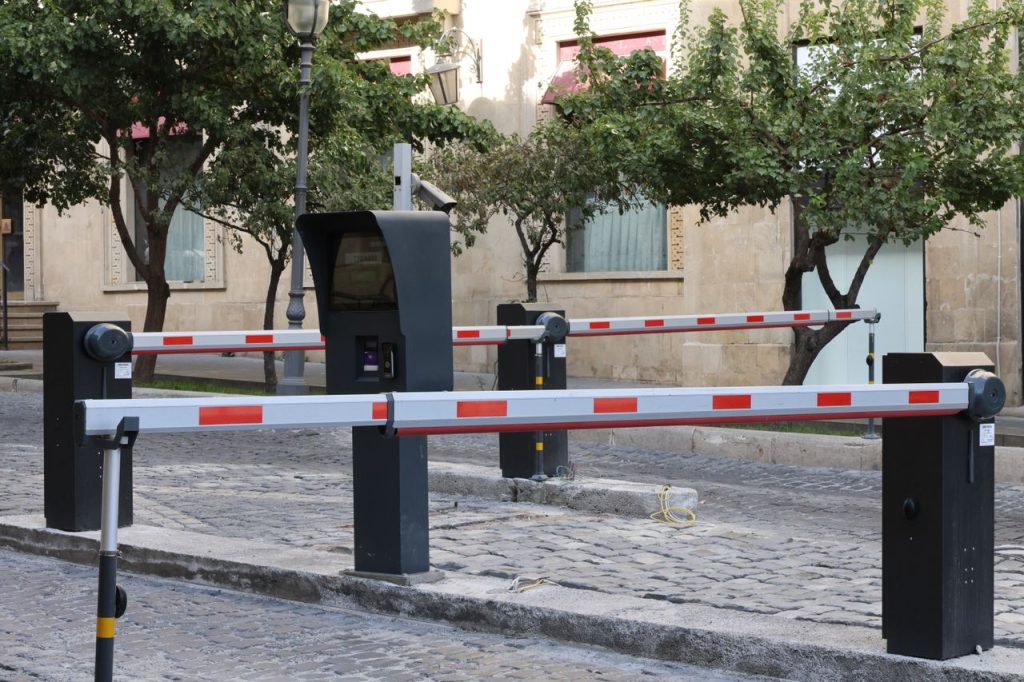
Community entrances are important points for managing access and understanding vehicle activity. Some HOAs operate gated developments with access-control equipment, while others have open entrances where residents and visitors move freely through the neighborhood.
Additional monitoring tools may provide information that complements existing systems. Depending on the equipment and configuration, alerts can help authorized personnel review selected vehicle events and coordinate their response with established entrance-management procedures.
A vehicle alert system for HOAs may complement existing gate-access tools by providing notifications about predefined vehicle activity. HOA leaders should confirm how the system integrates with their current infrastructure and whether it supports the functions the community actually needs.
Integrating Alerts With Existing Security Tools
Before purchasing new technology, associations should review the equipment and procedures already in place. Existing cameras, gate controls, visitor registration processes, and security personnel may already address some requirements.
The next step is to identify gaps that additional technology could reasonably help address. Compatibility, installation requirements, maintenance, user permissions, and ongoing costs should all be considered.
An integrated setup may make relevant information easier for authorized personnel to access, but integration should not be assumed. HOA leaders should ask vendors to explain supported connections, system limitations, data flows, and any additional equipment or subscriptions required.
How Can HOAs Support Resident Safety and Confidence?
Residents want to feel comfortable in their neighborhood and understand how their association responds to security concerns. A well-managed monitoring approach can contribute to this goal by helping the HOA organize information, define responsibilities, and communicate its procedures.
Technology alone, however, does not create a secure community. Residents also benefit from well-maintained common areas, clear visitor procedures, reliable communication channels, and consistent application of community policies.
Communicating With Residents
When an HOA introduces a new monitoring tool, residents should receive a clear explanation of its purpose. Communication can cover the types of vehicle-related events the system monitors, who is authorized to access its information, and how the association handles privacy concerns.
Providing accurate information can reduce misunderstandings and help residents understand what the system does and does not do. HOAs should avoid promising that monitoring will prevent every incident or guarantee safety.
Resident feedback can also be useful. Questions and concerns may reveal practical issues that association leaders should address before or after implementation.
How Should HOAs Protect Privacy When Monitoring Vehicles?
Vehicle monitoring can involve information that residents and visitors consider sensitive. Depending on the technology, this may include vehicle identifiers, images, timestamps, access records, or information associated with particular locations.
HOAs should understand exactly what information a system collects and how that information is used. Privacy considerations should be addressed before implementation, with policies that reflect applicable laws, contractual obligations, and reasonable resident expectations.
Establishing Responsible Data Policies
A written policy can clarify the association’s approach to collecting, accessing, retaining, and sharing vehicle-related information. The details should match the capabilities of the selected system and the legitimate purposes for which it is being used.
Important considerations include:
- Data collection: Define which information is necessary for the system’s intended purpose.
- Access permissions: Restrict sensitive information to authorized personnel with a legitimate need.
- Retention periods: Establish how long records are kept and when they should be deleted, subject to legal and operational requirements.
- Information security: Review available protections for stored data, user accounts, and system connections.
- Disclosure practices: Explain when information may be shared and which legal requirements apply.
- Resident communication: Provide clear information about the system’s purpose and relevant privacy practices.
The association should also review its policies periodically and update them when the technology, legal requirements, or community needs change. Consulting qualified legal or privacy professionals may be appropriate when the system involves sensitive information or raises complex compliance questions.
What Should HOAs Consider When Choosing a Vehicle Alert System?
Every residential community has different security needs, infrastructure, staffing arrangements, and budget limitations. A small neighborhood with one entrance may need a different solution from a large development with several access points and substantial daily traffic.
HOA leaders should begin by defining the problem they want to address. A clear understanding of the community’s requirements makes it easier to compare systems and avoid paying for features that provide little practical benefit.
Evaluate Features and Compatibility
During the evaluation process, consider the following factors:
- Alert customization: Can the system be configured to notify staff about relevant events without generating excessive unnecessary alerts?
- Integration: Does it work with the association’s existing cameras, gate controls, or visitor-management tools?
- Ease of use: Can authorized personnel understand the interface and review notifications with appropriate training?
- Reporting: Does the system provide the information needed to document and review relevant events?
- User permissions: Can access be restricted according to staff responsibilities?
- Maintenance and support: What technical assistance, updates, and ongoing maintenance are included?
- Scalability: Can the system accommodate future changes in the size or needs of the community?
Associations should request demonstrations and ask vendors to explain limitations as well as benefits. They should also review contract terms, subscription charges, installation costs, and any additional expenses before making a decision.
Compare Total Cost and Long-Term Value
The initial purchase price is only one part of the total cost of a security system. Installation, ongoing subscriptions, equipment maintenance, staff training, data storage, and future upgrades may affect the overall budget.
HOAs should compare these costs with the specific problems the system is expected to address. A feature-rich product may not provide better value if the community does not need most of its functions.
It can be useful to document the association’s requirements and use the same criteria to evaluate each vendor. This approach supports a more consistent comparison and makes it easier to explain the decision to residents and board members.
What Are the Limitations of Vehicle Monitoring Technology?
Vehicle alerts can provide useful information, but their effectiveness depends on the system’s capabilities, configuration, and operating conditions. Technical limitations may affect how vehicles are detected or how accurately an event is classified. Lighting, camera positioning, connectivity, maintenance, and the quality of available data may also influence performance.
An alert should therefore be treated as a prompt for review rather than conclusive evidence of wrongdoing. Authorized personnel should consider the context and verify available information before contacting residents, restricting access, or taking other action.
Combining Technology With Established Security Practices
Vehicle monitoring works best as one component of a broader community security plan. Depending on the neighborhood, other measures may include appropriate lighting, maintained access controls, visitor-management procedures, emergency contact protocols, and communication between property management and residents.
Staff training is equally important. Personnel should understand how the system works, what its alerts mean, how to protect sensitive information, and when to escalate a concern.
Regular assessments can help the association determine whether the technology is meeting its intended objectives. Reviewing notification patterns, response times, recurring issues, and resident feedback may reveal opportunities to improve the system or its procedures.
How Can HOAs Implement a Vehicle Alert System Effectively?
A planned implementation can help an association introduce technology without creating unnecessary disruption. Rather than activating every available feature immediately, HOA leaders can establish a clear scope, test the setup, train users, and evaluate performance before expanding its use.
Follow a Structured Implementation Plan
1. Identify community needs. Document the security concerns, entrance arrangements, current equipment, and operational challenges the system is intended to address.
2. Review available options. Compare vendors, supported features, compatibility, costs, maintenance arrangements, and data practices.
3. Establish policies. Define authorized users, alert-review responsibilities, escalation procedures, record retention, and resident communication requirements.
4. Configure and test the system. Confirm that equipment and integrations function as expected and that alert settings support the intended use.
5. Train authorized personnel. Provide practical instruction on reviewing notifications, verifying events, documenting actions, and protecting sensitive information.
6. Communicate with residents. Explain why the technology is being introduced, what it does, and how the association will address privacy and operational questions.
7. Review performance. Evaluate the usefulness of alerts, identify recurring problems, and adjust procedures where necessary.
This approach helps keep the implementation aligned with the community’s needs. It also provides a practical basis for deciding whether additional features or equipment are justified.
Conclusion
Community security requires thoughtful planning, consistent procedures, responsible technology use, and clear communication. For homeowners associations, vehicle activity is one area where additional visibility may help authorized personnel identify events that warrant review and coordinate appropriate responses.
A vehicle alert system for HOAs can support this work by generating notifications about predefined vehicle activity and complementing existing entrance-management tools. Its effectiveness depends on suitable configuration, trained personnel, clear response procedures, and realistic expectations about what the technology can accomplish.
HOA leaders should also consider privacy, data security, cost, system limitations, and resident concerns before implementing a new solution. By evaluating community needs carefully and reviewing system performance over time, associations can make more informed decisions about their security infrastructure.
The goal is not simply to collect more information about vehicles. It is to use relevant information responsibly, support consistent decision-making, and maintain a well-managed residential environment where residents understand the measures being taken to address community security.
[Retain the existing closing image: https://s3.amazonaws.com/zqo/4660_19950_349977734_1.jpg]