Key Takeaways
- A vibratory feeder uses controlled vibration to move and regulate the flow of materials in industrial processes.
- Common types include linear, bowl, grizzly, electromagnetic, and mechanical vibratory feeders.
- Vibratory feeders are widely used in manufacturing, mining, food processing, pharmaceutical production, and packaging.
- Key benefits include consistent material feeding, improved automation, reduced manual handling, and greater production efficiency.
- Choosing the right vibratory feeder depends on material properties, required feed rate, operating conditions, and equipment compatibility.
- Regular inspection, cleaning, and preventive maintenance help maintain reliable performance and reduce downtime.
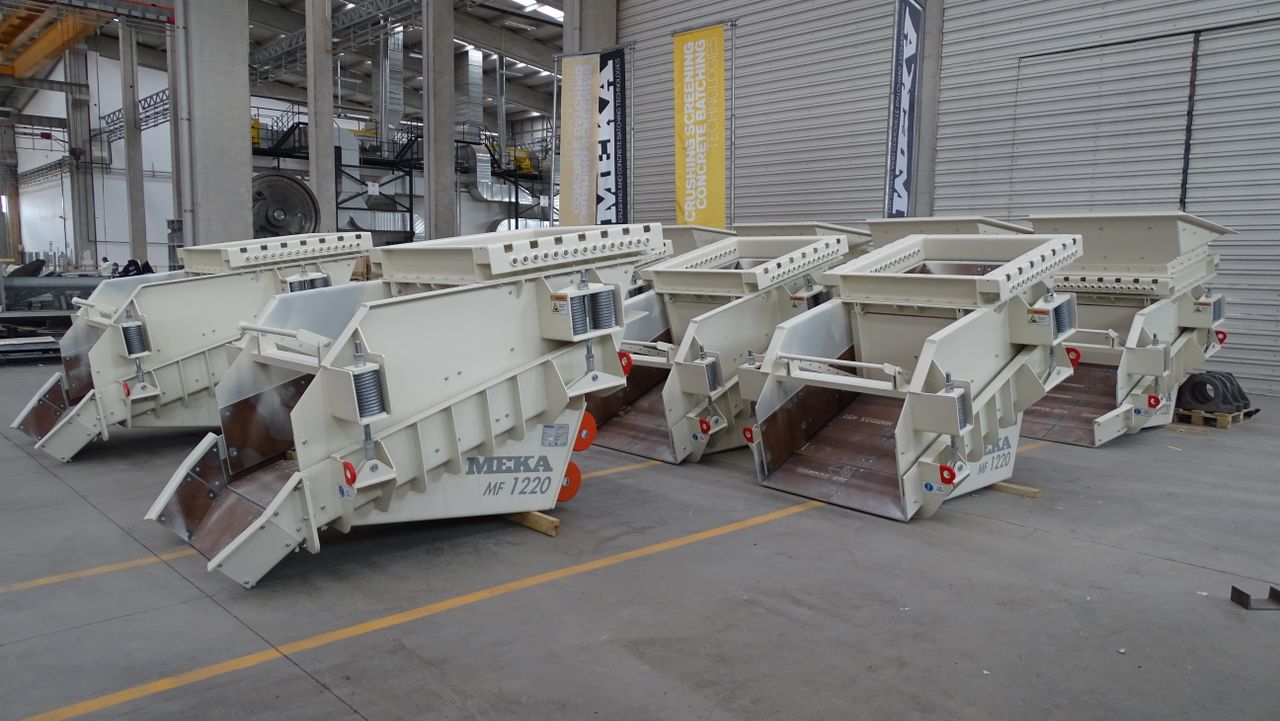
A vibratory feeder is an industrial material-handling device that uses controlled vibration to move, distribute, and regulate the flow of materials through a production process. These machines are widely used in manufacturing, mining, food processing, packaging, and other industries where materials must be delivered consistently to downstream equipment.
By controlling how quickly materials move, a vibratory feeder helps maintain a steady production flow, reduce manual handling, and improve operational efficiency. Depending on the application, it can handle materials ranging from fine powders and small components to larger rocks and bulk industrial products.
Businesses looking to improve automated material handling can explore different types of Vibratory feeders to identify equipment suited to their production requirements.
How Does a Vibratory Feeder Work?
A vibratory feeder operates by generating controlled vibrations that move material along a feeding surface. The vibration causes materials to advance in small, repeated movements, allowing them to travel from a storage container, hopper, or supply point to a designated destination.
The feeder’s movement is typically generated by an electromagnetic drive, an electric motor with an eccentric weight, or another mechanical vibration mechanism. The drive produces oscillations that transfer energy to the feeder tray or bowl.
The feeding process generally involves the following steps:
- Material loading: Materials enter the feeder from a hopper, bin, or other supply source.
- Vibration generation: The drive mechanism produces controlled vibrations that move the material.
- Material advancement: The vibration causes materials to travel along the tray or follow a designated path.
- Flow regulation: The feeder’s operating settings control the rate at which materials move toward the next stage.
- Discharge: Materials leave the feeder and enter another machine, conveyor, processing line, or collection point.
The feeding rate depends on several factors, including vibration frequency, amplitude, material characteristics, feeder design, and the quantity of material supplied.
When properly configured, a vibratory feeder can provide a consistent material flow that supports reliable production and reduces interruptions caused by irregular feeding.
The Basic Principles Behind Vibratory Feeding
The effectiveness of a vibratory feeder depends on how vibration interacts with the material being transported. The feeder generates repeated movements that overcome friction between the material and the feeding surface, allowing individual pieces or bulk material to advance.
Several factors influence how well the system performs.
Vibration Frequency and Amplitude
Frequency refers to how many vibration cycles occur during a given period, while amplitude describes the extent of the feeder’s movement. Together, these characteristics influence how quickly and smoothly materials move through the system.
The appropriate settings depend on the feeder design and the material being handled. Incorrect settings can result in inconsistent flow, excessive movement, or reduced feeding performance.
Material Characteristics
Material size, shape, density, moisture content, and surface texture all affect feeding behavior. Small, uniform components may move differently from irregularly shaped parts or heavy bulk materials.
Materials that are sticky, fragile, or prone to clumping may require specialized feeder designs and carefully adjusted operating conditions.
Feeder Tray or Bowl Design
The shape and surface of the feeding area determine how materials travel. Straight trays are often used for linear movement, while bowl feeders can orient small components before delivering them to automated equipment.
Selecting a suitable design helps maintain consistent flow and reduces the likelihood of blockages or misaligned parts.
Controlled Material Flow
A vibratory feeder is often integrated with other production equipment. Sensors, variable controls, and automated systems can help regulate the amount of material delivered to the next stage.
This coordination is particularly useful when a production line requires precise feeding rather than an uncontrolled supply of materials.
Key Components of a Vibratory Feeder
Although designs vary, most vibratory feeders contain several essential components that work together to move materials.
1. Feeding Tray or Bowl
The tray or bowl provides the surface on which materials move. Linear feeders typically use a straight or slightly inclined tray, while bowl feeders use a specially shaped container that can help orient individual components.
The dimensions, surface finish, and shape must suit the material and the intended application.
2. Drive Mechanism
The drive mechanism generates the vibration required to move materials. Depending on the model, it may use electromagnetic force, a motor-driven mechanism, or another vibration-generating arrangement.
The drive system affects the feeder’s operating characteristics, including its movement, controllability, and suitability for different production environments.
3. Springs or Flexible Mountings
Springs and flexible mountings support the vibrating assembly and allow it to move in a controlled manner. They also help direct vibration toward the feeding surface rather than transferring excessive movement to the supporting structure.
Their condition and configuration can influence the feeder’s stability and performance.
4. Control System
The control system regulates the feeder’s operation. Depending on the equipment, operators may be able to adjust vibration intensity, feeding speed, and other operating parameters.
Automated systems can also coordinate feeding with sensors, conveyors, filling machines, or assembly equipment.
5. Supporting Frame
The frame holds the feeder and its associated components in position. It must provide suitable structural support while accommodating the movement generated during operation.
A stable installation helps reduce unwanted vibration and supports reliable performance.
Common Types of Vibratory Feeders
Vibratory feeders are available in different configurations to accommodate specific material-handling needs. The most appropriate type depends on the material, required flow rate, available space, and the equipment used in the rest of the production line.
1. Linear Vibratory Feeders
Linear vibratory feeders move materials along a straight or defined feeding path. They are commonly used to transfer parts or bulk materials from one processing stage to another.
These feeders are useful when materials need to travel in a consistent direction at a controlled rate. They can also serve as a link between storage equipment, sorting systems, conveyors, and automated production machinery.
Typical applications include component feeding, assembly operations, packaging lines, and industrial material transfer.
2. Vibratory Bowl Feeders
Vibratory bowl feeders are designed primarily for handling and orienting small components. Their bowl-shaped structure and specialized tracks guide parts into a particular position before they exit the feeder.
They are frequently used in automated manufacturing processes where components must be presented in a consistent orientation for assembly, inspection, or packaging.
Examples include feeding screws, nuts, bolts, electronic components, and other small manufactured parts.
The bowl and track design must match the size, shape, and orientation requirements of the components being handled.
3. Grizzly Vibratory Feeders
Grizzly vibratory feeders are commonly used in mining, quarrying, and heavy industrial operations. They handle large quantities of bulk material and may incorporate grizzly bars that allow smaller particles to pass through before the remaining material reaches downstream equipment.
This arrangement can help separate smaller material from larger rocks and reduce the load entering crushers or other processing machinery.
Grizzly feeders are designed for demanding conditions and are often used where heavy loads and coarse materials require controlled movement.
4. Electromagnetic Vibratory Feeders
Electromagnetic vibratory feeders use electromagnetic forces to generate vibration. Their operating characteristics can make them suitable for applications requiring adjustable and controlled material delivery.
They are used in manufacturing, packaging, assembly, and other processes where consistent feeding is important.
The actual feeding capacity and level of control depend on the feeder’s design, the material being handled, and the configuration of the control system.
5. Mechanical Vibratory Feeders
Mechanical vibratory feeders use motor-driven mechanisms to create the movement needed for material transport. Depending on the design, these systems can be suitable for handling bulk materials in industrial environments.
They are commonly considered for applications where durability, throughput, and compatibility with existing material-handling equipment are important.
The choice between mechanical and electromagnetic designs should be based on operating requirements rather than on the drive mechanism alone.
Industrial Applications of Vibratory Feeders
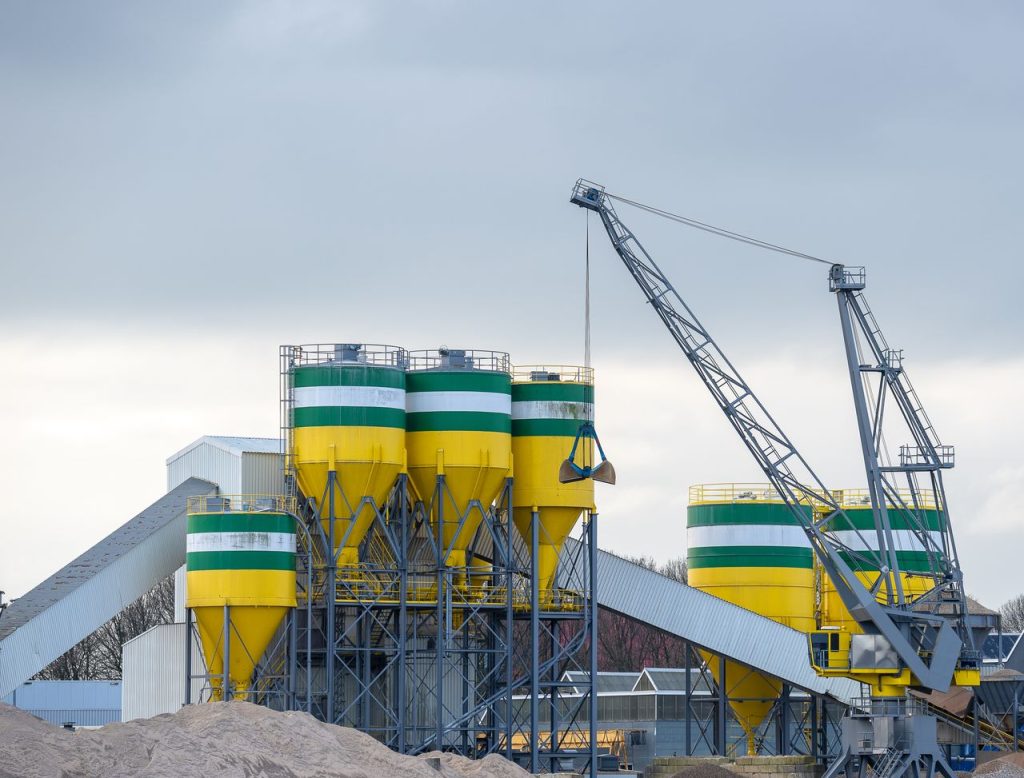
Vibratory feeders are used across numerous industries because they can deliver materials at controlled rates and integrate with automated production systems.
Mining and Quarrying
In mining and quarrying operations, vibratory feeders transport ores, rocks, aggregates, and other bulk materials. Heavy-duty models can deliver material from hoppers to crushers, screens, and conveyors.
Grizzly feeders may also help remove smaller particles before the material enters downstream processing equipment.
A suitable feeder can support more consistent material flow and help reduce uneven loading on processing machinery.
Manufacturing and Assembly
Manufacturing facilities often use vibratory feeders to deliver components to assembly stations, inspection systems, and packaging equipment.
Bowl feeders are particularly useful when small parts must be oriented before entering an automated process. Linear feeders can then transfer the components to the next stage.
Consistent component delivery helps minimize interruptions caused by missing, incorrectly positioned, or irregularly supplied parts.
Food Processing
Food-processing operations may use vibratory feeding equipment to move ingredients and products through weighing, sorting, portioning, and packaging stages.
Depending on the application, equipment may be designed to meet specific hygiene, cleaning, and material-contact requirements.
The feeder must be appropriate for the food product being handled, particularly when products are fragile, sticky, or sensitive to excessive movement.
Pharmaceutical and Medical Manufacturing
Pharmaceutical and medical manufacturing processes may require controlled feeding of small components, packaging materials, or other production inputs.
Specialized vibratory feeders can help deliver components to automated assembly and inspection equipment. However, equipment selection must account for applicable cleanliness, contamination-control, and process requirements.
Not every standard feeder is suitable for regulated production environments.
Packaging and Distribution
Packaging lines frequently use vibratory feeders to deliver products or components to counting, sorting, filling, and packaging equipment.
A steady supply helps keep downstream machinery operating efficiently. In some systems, vibration also helps separate or distribute products before they are packaged.
The feeder must be configured to match the required throughput and the characteristics of the items being processed.
Recycling and Bulk Material Handling
Recycling and bulk-handling facilities may use vibratory feeders to transport mixed materials, aggregates, and other products toward sorting or processing equipment.
The appropriate design depends on material size, weight, moisture, abrasiveness, and the required feed rate.
Benefits of Using a Vibratory Feeder
Installing a suitable vibratory feeder can improve material handling and production consistency. The actual benefits depend on the application, equipment design, and maintenance practices.
Improved Feeding Consistency
A vibratory feeder helps deliver material at a controlled rate. Consistent feeding can reduce interruptions caused by irregular material supply and support more predictable production cycles.
Better Automation Integration
Vibratory feeders can be integrated with conveyors, sensors, sorting systems, and automated machinery. This makes them useful in production environments where manual material transfer would slow operations.
Reduced Manual Handling
Automated feeding reduces the need for workers to move or position materials manually at every stage. This can simplify repetitive tasks and allow staff to focus on other production activities.
Flexible Material Handling
Different feeder designs can accommodate a range of materials, from small manufactured components to large industrial aggregates. Selecting the right configuration helps match equipment performance to the application.
Support for Production Efficiency
By maintaining a steady supply of material, a vibratory feeder can help downstream machines operate more consistently. However, overall efficiency also depends on the performance of the connected equipment and the wider production process.
Potential for Lower Material Waste
When a feeder is correctly configured, it can help control the quantity and movement of material entering a process. In suitable applications, this may reduce spillage, inconsistent dosing, or product damage.
The extent of any reduction depends on the material, the equipment, and the operating conditions.
How to Choose the Right Vibratory Feeder
Choosing a vibratory feeder requires an understanding of the material being handled and the production process it must support. Evaluating the following factors can help narrow the available options.
Material Type and Properties
Identify whether the feeder will handle small components, powders, granules, food products, rocks, or other bulk materials. Consider particle size, weight, shape, moisture, abrasiveness, and fragility.
These characteristics influence the feeding surface, drive mechanism, and overall feeder design.
Required Feed Rate
Determine how much material must be delivered over a specific period. The feeder should support the production line’s required throughput without creating bottlenecks or supplying material faster than downstream equipment can process it.
Feeding Accuracy and Orientation
Some applications require only bulk material transfer, while others need individual components delivered in a particular orientation. A linear feeder may suit straightforward transfer, whereas a bowl feeder may be more appropriate for component orientation.
Operating Environment
Consider available space, temperature, dust, moisture, cleaning requirements, and other environmental conditions. Heavy industrial applications may require more robust equipment, while food or pharmaceutical applications may need specialized materials and hygienic designs.
Integration With Existing Equipment
The feeder must work with the hopper, conveyor, processing machine, or automated system connected to it. Check dimensions, discharge height, electrical requirements, control compatibility, and the timing of material delivery.
Maintenance Requirements
Review the accessibility of wear components, cleaning procedures, spare-part availability, and recommended maintenance intervals. A feeder that is difficult to inspect or service may increase downtime over its operating life.
Supplier Support and Equipment Specifications
Review the manufacturer’s specifications and confirm that the feeder meets the application’s capacity, material compatibility, and operating requirements. Technical support and access to replacement components may also be important considerations.
Maintenance Practices for Vibratory Feeders
Regular inspection and preventive maintenance help keep vibratory feeders operating reliably. Maintenance requirements vary by design, so operators should follow the manufacturer’s instructions.
Useful practices include:
- Inspecting the feeding surface: Look for wear, cracks, material buildup, or damage that could affect material movement.
- Checking the drive mechanism: Examine the drive and related components for unusual noise, overheating, or changes in vibration.
- Inspecting springs and mountings: Check for signs of fatigue, damage, loosening, or misalignment.
- Cleaning the feeder: Remove accumulated material where necessary, following appropriate safety and hygiene procedures.
- Checking fasteners and supports: Ensure that components remain securely installed according to manufacturer specifications.
- Monitoring feeding performance: Investigate sudden changes in feed rate, unusual material movement, or recurring blockages.
- Following safe maintenance procedures: Isolate and secure equipment according to the site’s lockout and safety requirements before inspection or repair.
Changes in vibration, unexpected noise, or inconsistent feeding may indicate that the equipment needs adjustment, inspection, or repair.
Conclusion
A vibratory feeder is an important component in many industrial material-handling and automated production systems. By using controlled vibration to move and regulate materials, it can support consistent feeding, reduce manual handling, and improve coordination between production stages.
Different designs serve different purposes. Linear feeders transport materials along a defined path, bowl feeders orient small components, and grizzly feeders handle heavy bulk materials in demanding environments. Selecting the appropriate system requires consideration of material properties, feed rate, production requirements, operating conditions, and maintenance needs.
With suitable equipment selection, correct installation, and regular maintenance, a vibratory feeder can contribute to reliable material flow and more efficient industrial operations.