
Key Takeaways
- Effective trade show booth design combines clear branding, practical layouts, and relevant visitor experiences.
- Understanding the target audience helps businesses choose appropriate displays, demonstrations, and engagement activities.
- Clear pathways, accessible layouts, and well-positioned signage can improve the visitor experience.
- Pre-event promotion and meaningful on-site activities help attract relevant attendees.
- Simple lead-capture processes and timely follow-up help businesses continue conversations after the event.
- Measuring booth traffic, qualified leads, conversion rates, and event costs helps evaluate performance.
- Budget planning should include design, construction, transportation, installation, dismantling, and storage.
- Booth design should support defined business objectives rather than focusing on visual appeal alone.
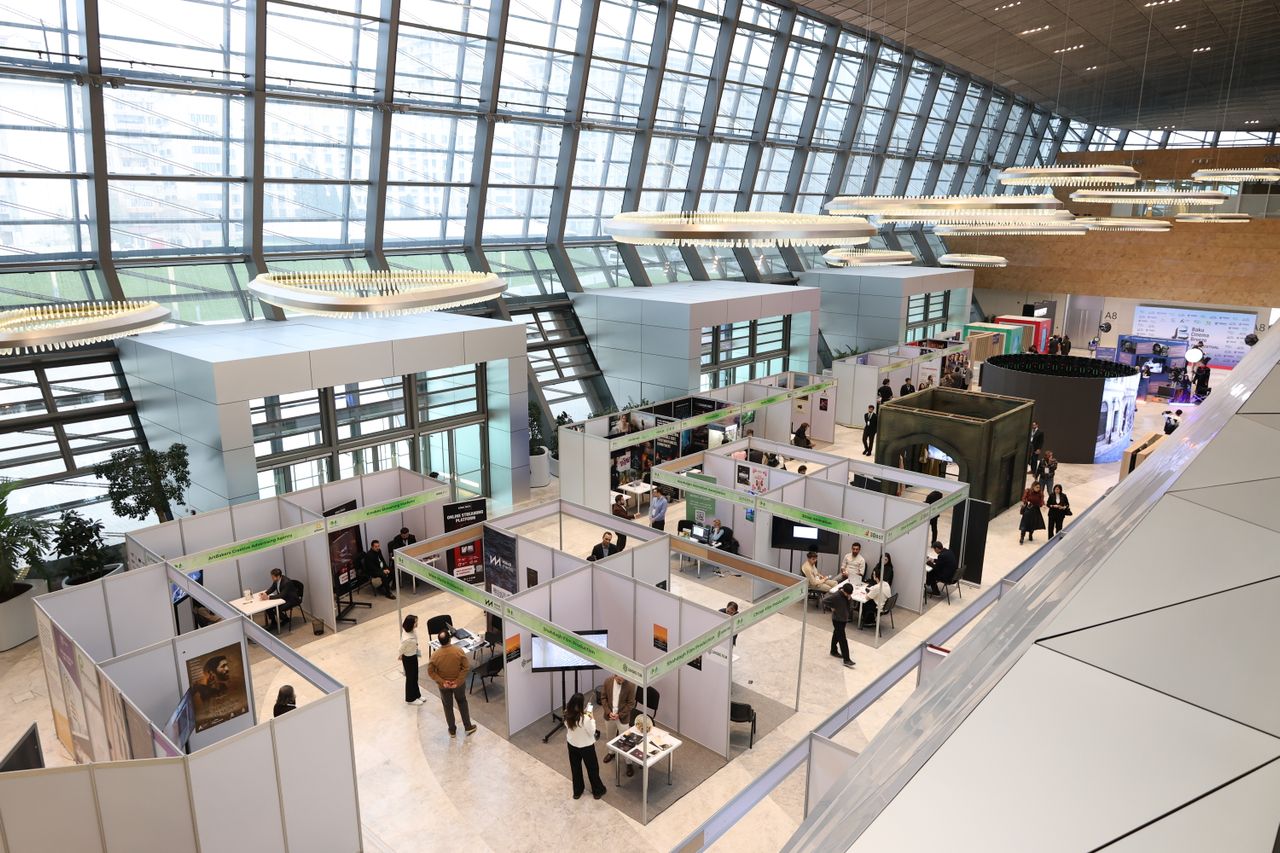
Effective trade show booth design plays an important role in attracting visitors, communicating a brand’s message, and creating opportunities for business growth. Trade shows bring together numerous exhibitors competing for attendees’ attention, making it essential for businesses to create displays that are visually appealing, easy to navigate, and relevant to their target audience.
A well-planned booth combines thoughtful layouts, clear messaging, interactive elements, and effective visitor engagement strategies. Businesses can learn from the approaches used by Custom trade show companies to understand how exhibit spaces can be designed around specific marketing objectives and audience expectations.
Beyond appearance, an effective exhibition booth should support meaningful conversations, product demonstrations, and lead generation. Understanding the principles behind successful booth design can help businesses make better decisions when planning their next trade show.
Key Benefits of Effective Trade Show Booth Design
A carefully designed exhibition booth can support several marketing and business objectives. Its effectiveness depends on how well the design aligns with the brand, the target audience, and the purpose of the event.
1. Improved Brand Visibility
Trade show attendees often walk past dozens or hundreds of exhibitors in a single venue. A booth with a clear visual identity can help a business attract attention and make its presence easier to recognize.
Elements such as prominent signage, consistent brand colors, readable graphics, and appropriate lighting can improve visibility. Businesses should prioritize their main message rather than overcrowding the display with excessive text or competing visual elements.
The booth should communicate what the business offers and why it matters to the intended audience. A clear message can help visitors quickly determine whether the exhibitor is relevant to their needs.
2. Better Visitor Engagement
Visual appeal may attract attendees, but meaningful engagement gives them a reason to stay.
Interactive displays, product demonstrations, touchscreens, and guided presentations can help visitors understand a product or service more effectively than static displays alone. These features are particularly useful when a product has capabilities that are difficult to explain through printed materials.
The choice of interactive elements should reflect the audience and the event’s objectives. A technical audience may appreciate detailed demonstrations, while visitors at a consumer-focused event may respond better to simple, hands-on experiences.
3. More Opportunities for Lead Generation
Trade show booth design can influence how easily visitors interact with representatives and share their contact information.
Dedicated discussion areas, accessible demonstration stations, and convenient lead-capture tools can support productive conversations. Organizing the booth around these activities helps exhibitors make better use of their available space.
However, a well-designed booth alone does not guarantee conversions. Staff knowledge, product relevance, follow-up communication, and the quality of visitor interactions also influence business results.
Designing a Booth for Visitor Flow, Comfort, and Interaction
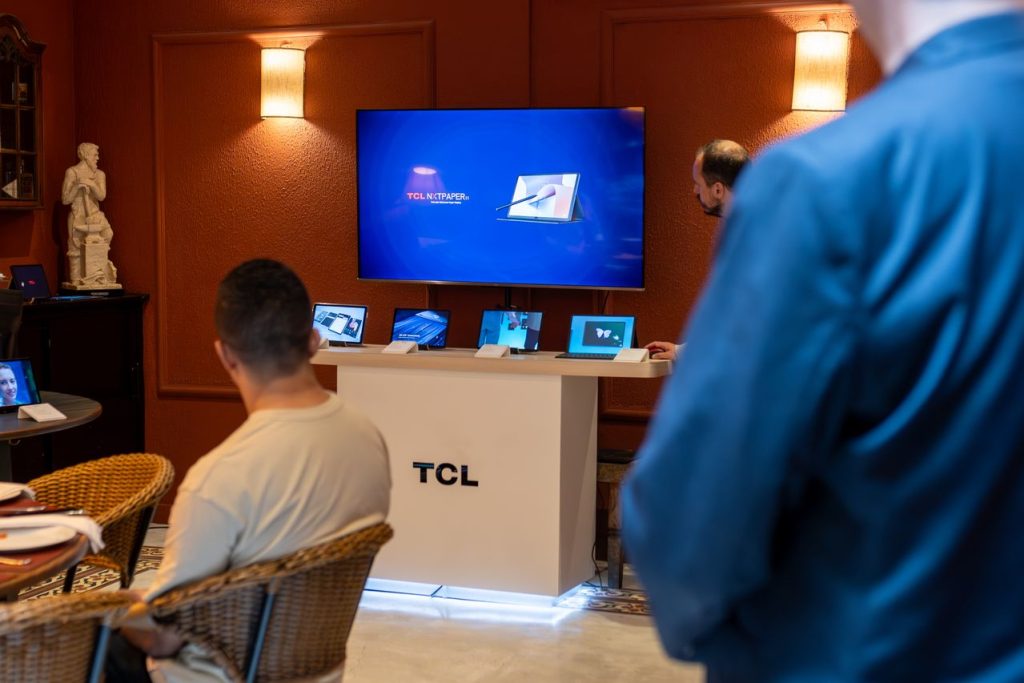
A successful exhibition booth should balance visual appeal with practical functionality. Visitors need to recognize the display, understand its purpose, and move through the space without unnecessary obstacles.
Plan the Layout Around Visitor Behavior
Before finalizing a booth layout, businesses should identify the main activities the space needs to accommodate. These may include product demonstrations, one-to-one discussions, presentations, product displays, and lead registration.
The arrangement should allow visitors to approach the booth easily and understand where to go next. Placing important messages and featured products in visible locations can help communicate the booth’s purpose quickly.
Avoid layouts that create unnecessary congestion around entrances, demonstration stations, or counters. Clear pathways make it easier for visitors to explore the display and for staff to interact with them.
The booth size, venue regulations, accessibility requirements, and neighboring exhibits should also be considered during planning.
Use Visual Elements Strategically
Lighting, graphics, colors, signage, and structural elements contribute to the overall visitor experience.
Large headlines can communicate the primary message, while supporting graphics provide additional context. Lighting can highlight important products or demonstration areas, provided it does not create glare or discomfort.
Visual consistency is equally important. Using the same brand identity across booth graphics, promotional materials, digital displays, and staff clothing can create a more cohesive presentation.
The objective is not simply to build the largest or most elaborate booth. It is to create a display that communicates effectively and serves its intended purpose.
Incorporate Interactive Technology
Technology can make trade show exhibits more engaging when it supports a clear objective.
Touchscreens can provide product information, digital kiosks can help visitors explore available options, and video displays can demonstrate processes that are difficult to reproduce in person.
Augmented reality and other immersive technologies may also help businesses explain complex products or visualize how a solution works. However, these features should be selected according to their usefulness rather than their novelty.
Technology should be easy to operate, reliable throughout the event, and accessible to the intended audience. Businesses should also have an alternative presentation method available in case of technical problems.
Create Comfortable Spaces for Conversations
Some trade show visitors want a quick overview, while others need detailed discussions before considering a product or service.
A flexible booth layout can accommodate both types of interaction. Open demonstration areas support brief encounters, while quieter discussion spaces can provide greater privacy for longer conversations.
Seating, where appropriate, should not obstruct visitor movement or reduce access to featured products.
By considering different visitor needs, businesses can create an environment that supports more productive interactions.
Strategies for Attracting Visitors Before, During, and After a Trade Show
Effective trade show participation requires more than designing an attractive display. Coordinating pre-event promotion, on-site engagement, and post-event follow-up can help businesses make better use of their investment.
Promote the Booth Before the Event
Pre-event marketing helps inform potential attendees about a company’s participation and gives them a reason to visit.
Businesses can announce their attendance through email campaigns, social media posts, website updates, and relevant industry communications. Sharing details about planned demonstrations, product launches, or scheduled presentations can make the invitation more useful.
Where appropriate, exhibitors can also arrange meetings with existing customers, prospects, or industry partners before the event begins.
Promotional messages should include relevant event details and explain what visitors can expect from the booth. This helps connect pre-event outreach with the experience planned for the exhibition floor.
Offer Meaningful On-Site Experiences
During the event, businesses can use demonstrations, presentations, and interactive activities to encourage participation.
A product demonstration can help visitors understand how a solution works and what problems it addresses. Short presentations may be useful when several attendees need the same information, while one-to-one discussions can address more specific requirements.
Promotional giveaways and contests may attract attention, but they should support the event’s objectives. Activities that draw large crowds without attracting relevant prospects may not produce meaningful business results.
Staff should be prepared to explain the main offering, answer questions, and identify visitors whose needs align with the business’s solutions.
Make Lead Capture Simple
Collecting visitor information is most useful when it supports relevant follow-up.
Digital forms, badge-scanning tools, and customer relationship management systems can help exhibitors record contact details and organize prospect information. The process should be straightforward for both visitors and staff.
Where appropriate, staff can record useful context, such as the visitor’s interests, questions, product preferences, and agreed next steps. This information can help the sales team personalize later communication.
Businesses should collect and handle personal information responsibly and follow applicable privacy requirements.
Follow Up After the Event
Trade show engagement should not end when the exhibition closes. Timely follow-up can help maintain the relationships established during the event.
Businesses can organize collected leads according to their interests, requirements, and readiness to move forward. A visitor who requested a product demonstration may need a different follow-up from someone who simply wanted general information.
Follow-up communication may include requested product details, meeting invitations, demonstrations, or answers to questions raised at the booth.
Consistent communication helps sales teams continue relevant conversations and assess whether trade show interactions are developing into genuine opportunities.
Measuring Trade Show Booth Performance
Evaluating results helps businesses understand whether their booth design and event strategy achieved the intended objectives. Before the event, exhibitors should define what success means for their particular participation.
Identify Relevant Performance Metrics
Useful metrics may include:
- Booth traffic: The number of people who visit the exhibition space.
- Qualified leads: The number of visitors whose needs and interests align with the business’s offerings.
- Engagement levels: The number of visitors who participate in demonstrations, presentations, or meaningful discussions.
- Cost per lead: The total relevant event expenses divided by the number of leads generated.
- Conversion rate: The proportion of leads that progress to a defined next step or become customers.
- Return on investment (ROI): The financial return attributable to the event compared with its associated costs.
Businesses should define how each metric will be measured before the event. For example, booth traffic may be estimated through manual counting or suitable counting technology, while qualified leads may be tracked using lead-capture records.
Not every metric is equally important for every exhibitor. A company launching a new product may prioritize awareness and demonstrations, while another focused on sales may place greater emphasis on qualified leads and subsequent revenue.
Evaluate Visitor Engagement
Visitor numbers provide useful context, but they do not explain the quality of interactions.
Reviewing the number of demonstrations completed, questions received, meetings arranged, and qualified leads collected can provide a clearer understanding of how attendees responded to the booth.
Feedback from staff and visitors can also reveal opportunities to improve the layout, signage, demonstrations, or communication.
Comparing these observations with the event’s original objectives helps businesses identify which elements worked well and which need adjustment.
Understanding Trade Show Booth Costs and Budget Planning
Exhibition budgets can vary considerably depending on booth size, design complexity, materials, technology, and event location. A practical budget should account for the entire event rather than focusing only on the initial design and construction.
Design and Planning Expenses
Early planning may involve concept development, space planning, graphic design, technical drawings, and project coordination.
The complexity of the booth and the number of revisions required can influence these expenses. Establishing the objectives, approximate budget, and essential features early can help keep the design process focused.
Materials, Fabrication, and Technology
Construction costs depend on the materials used, the structural design, finishing requirements, lighting, graphics, and installed technology.
Custom-built displays may offer greater flexibility, while modular systems can be adapted or reused for multiple events. The appropriate option depends on the business’s needs, available budget, and expected frequency of participation.
Businesses should consider durability, maintenance, transportation requirements, and storage when comparing design options.
Transportation, Installation, and Storage
Logistics can represent a substantial portion of the overall event budget.
Expenses may include freight, handling, installation labor, electrical connections, dismantling, and storage between events. Venue requirements and installation schedules can also affect the final cost.
Planning these details early helps reduce unexpected expenses and makes it easier to coordinate with event organizers and suppliers.
Assess Long-Term Value
A lower initial cost does not always represent the best long-term option. A reusable booth system may require a larger upfront investment but reduce the need to purchase entirely new structures for every event.
Similarly, an elaborate custom design may be worthwhile when it supports important product demonstrations or recurring events, but unnecessary features can increase costs without improving results.
Businesses should evaluate booth costs against their marketing objectives, expected usage, lead quality, and potential commercial outcomes.
Conclusion
Effective trade show booth design brings together visual communication, functional space planning, audience engagement, and measurable marketing objectives. A booth should make the business easy to recognize, help visitors understand its offerings, and provide practical opportunities for meaningful conversations.
Pre-event promotion, interactive demonstrations, organized lead capture, and timely follow-up can extend the value of participation beyond the exhibition floor. At the same time, performance measurement and careful budget planning help businesses determine whether their approach is delivering useful results.
By treating booth design as part of a broader event marketing strategy, businesses can make more informed decisions, improve the visitor experience, and create better opportunities to develop lasting professional relationships.