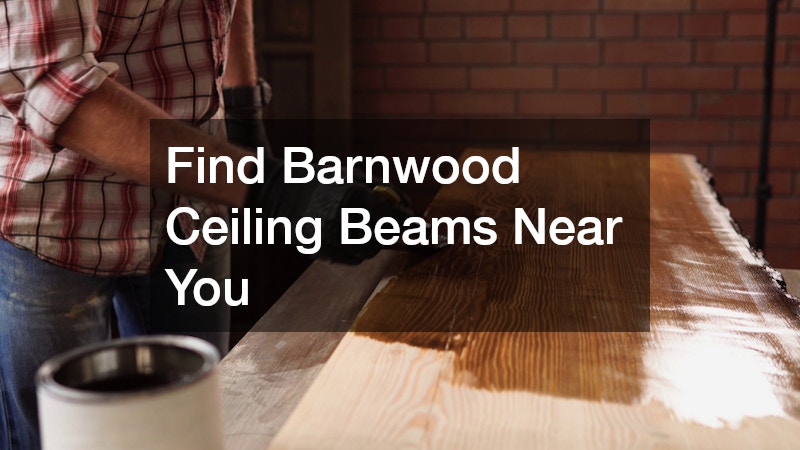

Barnwood ceiling beams have become one of the most sought-after features in modern interior design. Their distinctive rustic charm, natural warmth, and historical appeal make them a favorite among homeowners, designers, and builders alike. Whether you’re renovating an older property or adding character to a new build, barnwood beams offer a timeless touch that instantly elevates any space. Below, we explore everything you need to know—from what barnwood is to installation, care, and long-term maintenance.
What Are Barnwood Ceiling Beams?
Definition and Characteristics
Barnwood refers to reclaimed wood salvaged from old barns, agricultural structures, and historic buildings. Over decades—sometimes more than a century—this wood is naturally weathered by sun, wind, rain, and time.
As a result, barnwood boasts a one-of-a-kind patina that cannot be replicated by new lumber. The knots, nail holes, and textured grain patterns contribute to its authenticity, making each beam fully unique.
Because barnwood has already endured years of exposure, it is often incredibly strong and stable. The aged fibers create a dense structure less prone to splitting or warping, making barnwood ideal for use as decorative beams in residential and commercial interiors.
Historical Significance
The use of barnwood dates back to early American settlers, who constructed barns using the most durable hardwoods available. They were often made from hand-hewn oak, chestnut, and hickory. When these barns aged or were dismantled, the wood found new life as reclaimed material.
Today, barnwood is celebrated not only for its beauty but also for its sustainability. Repurposing old timber prevents waste, preserves historical craftsmanship, and reduces the need for harvesting new trees. Using barnwood beams allows homeowners to incorporate a piece of history into their space while supporting environmentally conscious building practices.
Types of Barnwood Used
Several types of reclaimed wood are commonly transformed into ceiling beams:
-
Oak: Valued for its strength and deep grain, oak barnwood is one of the most common materials. It offers a rich, rustic appearance.
-
Chestnut: Rare and highly prized, chestnut beams are lightweight yet durable. Their warm brown tones and tight grain patterns add refined character.
-
Pine: Softer and lighter, pine barnwood beams are easier to install and typically more affordable. They feature charming knots and subtle texture.
-
Hickory: Known for striking grain contrast and exceptional toughness, hickory beams add bold visual impact.
Each type has its own aesthetic qualities, allowing homeowners to choose beams that match their preferred style—whether rugged, refined, or somewhere in between.
How to Install Barnwood Ceiling Beams
Preparation and Planning
Proper preparation is crucial for a smooth installation. Start by measuring the ceiling area, determining how many beams are needed, and choosing their placement. Consider the size, weight, and orientation of the beams—whether they will run parallel or perpendicular to existing ceiling joists.
In many homes, barnwood beams are decorative rather than structural, meaning they do not support load. This allows for flexible placement but still requires careful planning to ensure secure attachment. It’s also important to check ceiling height; beams should complement the space without making rooms feel cramped.
Installation Techniques
There are two primary ways to install barnwood ceiling beams:
1. Solid Barnwood Beams
These are heavier and require substantial support. Installers typically use lag bolts, mounting blocks, or metal brackets anchored into the ceiling joists. Due to their weight, professionals often recommend at least two people for handling and securing solid beams.
2. Faux or Box Beams
Made by assembling three barnwood planks into a hollow beam, box beams are significantly lighter and easier to maneuver. They are ideal for DIY-friendly projects. Box beams can be slipped over wooden cleats attached to the ceiling, creating a sturdy and seamless look.
DIY vs. Hiring a Professional
Handy homeowners may feel confident installing lightweight box beams themselves. However, for solid beams or intricate ceiling layouts, hiring a professional ensures accuracy, safety, and long-lasting results.
Common Challenges and Solutions
-
Uneven Ceilings: Older homes often have uneven surfaces. Shims can help level beams during installation.
-
Heavy Beam Weight: Solid barnwood can be extremely heavy; using proper mounting hardware and professional assistance is essential.
-
Matching Beam Lengths: Since barnwood is reclaimed, lengths may vary. Custom cuts and box-beam construction can resolve inconsistencies.
-
Securing Without Visible Fasteners: Concealed brackets or cleats allow beams to appear seamlessly integrated into the ceiling.
Maintaining and Caring for Barnwood Beams
Regular Cleaning Practices
Barnwood beams don’t require intensive cleaning. A soft brush, microfiber cloth, or vacuum with a brush attachment can remove dust without disturbing the wood’s natural texture. Avoid excessive moisture, as barnwood is porous and can absorb liquids.
Protective Treatments
Although barnwood already carries natural resilience, applying protective finishes can extend its lifespan. Popular treatments include:
-
Clear sealants to preserve the wood’s original color and character
-
Matte varnishes for subtle protection without shine
-
Wood oils that nourish and enhance grain depth
These treatments help shield the beams from dust buildup, moisture, and insects while maintaining a rustic, authentic look.
Repair and Restoration
Minor damage, such as scratches or small cracks, can be addressed using wood filler, blending stains, or light sanding. Professional woodworking assistance may be required for deeper restoration jobs, such as repairing old joinery or reinforcing weakened sections.
Because barnwood is naturally weathered, imperfections often add to its appeal. Rather than trying to eliminate every flaw, many homeowners choose to preserve the wood’s rugged charm.
Barnwood ceiling beams offer a beautiful blend of history, sustainability, and architectural interest. Their rich textures, organic tones, and handcrafted origins bring warmth to any home—whether modern, farmhouse-inspired, or traditional. From careful planning and installation to ongoing care, barnwood beams are a rewarding investment that enhances both aesthetic value and timeless character.
If you’re looking to transform a space with a feature that tells a story, barnwood ceiling beams are an exceptional choice that will continue to impress for years to come.