

Business leaders rely on more than experience and intuition to guide their companies toward sustainable growth. The right tools can help them plan strategically, manage teams, monitor finances and make informed decisions while keeping everyday operations organized. From established service providers to specialized trades, businesses in every industry can benefit from technology and systems designed to improve productivity. A local propane business, for example, may use planning software to coordinate deliveries, while chimney sweeping businesses can use digital platforms to manage appointments and customer information. Data analytics can also reveal valuable trends, helping grading businesses understand performance and identify opportunities for improvement. Meanwhile, communication, project management and financial tools give leaders greater visibility into their operations. As companies grow, customer relationship management systems and automation can reduce repetitive work and improve interactions with clients. Employee collaboration platforms can also help teams stay connected and productive. Whether managing a barn restoration business, plastic bumper repair business or RV repair business, leaders can select tools that align with their goals, resources and workflows. Understanding how these solutions support different areas of business can help leaders build more efficient, responsive and competitive organizations.
Strategic Planning Tools That Drive Business Growth
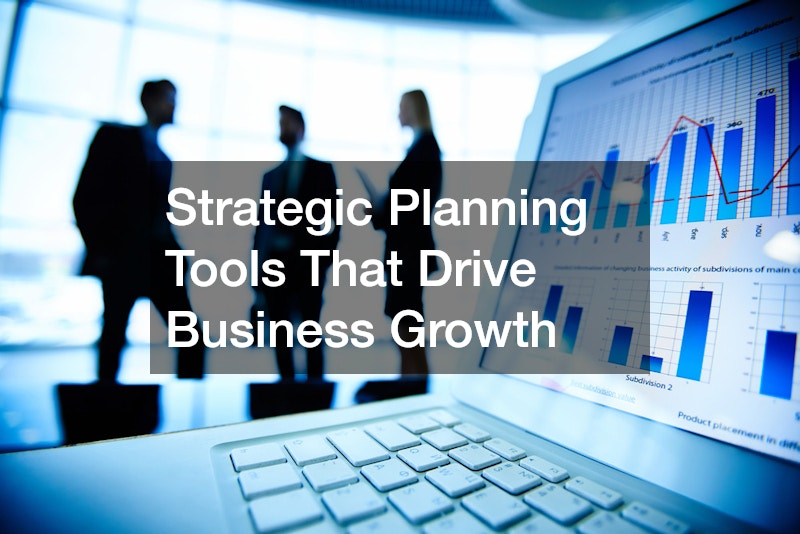
Strategic planning serves as an essential framework for leaders in any industry, providing them with the ability to set priorities efficiently, allocate resources wisely, and pursue measurable objectives with clarity. In the context of a local propane business, strategic planning takes on special significance as it equips the business with the tools needed to monitor their service areas effectively, organize intricate delivery schedules, evaluate prevailing market demand, and establish realistic growth targets.
Employing advanced planning tools is key for propane businesses that aim to gain competitive advantages in a dynamic marketplace. Through the use of digital dashboards, businesses can amalgamate crucial data into a cohesive visual format, offering leaders a comprehensive overview of operational status and strategic direction. Scheduling platforms further enhance efficiency by organizing delivery routes and schedules, ensuring that customer needs are met punctually and optimally.
Forecasting software plays a pivotal role in this ecosystem by providing accurate predictions regarding future demand and market trends, allowing leaders to prepare and strategize accordingly. These digital solutions empower business leaders by consolidating critical information, thus offering a transparency that informs their strategic decisions.
One of the significant advantages of integrating digital tools into strategic planning is their ability to transform broad, overarching goals into specific, actionable steps that employees can easily follow. This ensures that every team member, from the delivery personnel to the administrative staff, understands their role in achieving the company’s objectives, thereby aligning their efforts with the broader vision.
Moreover, with a well-defined strategy supported by robust planning technology, leaders can make decisions that are not only informed but also adaptable to the ever-changing needs of customers and fluctuating market conditions. The flexibility to pivot plans promptly in response to external changes is invaluable in maintaining customer satisfaction and sustaining long-term growth.
In summary, strategic planning, bolstered by digital tools, offers a powerful mechanism for a local propane business to streamline its operations, enhance decision-making, and successfully navigate the complexities of the market landscape. By embracing such an approach, leaders position their business for sustained success and resilience in a competitive environment.
Technology That Helps Leaders Work Smarter
Modern technology can simplify routine responsibilities and give business leaders more time to focus on growth. Chimney sweeping businesses can use scheduling software, digital invoicing, mobile communication platforms and customer databases to manage appointments and administrative tasks. Technology can also help employees access information while working in the field, reducing delays between service calls and office operations. Cloud-based systems allow leaders to review important business information without being tied to a single location. By choosing technology that fits their workflows, companies can reduce unnecessary manual processes while creating a more organised experience for employees and customers.
Data Analytics for Better Business Decisions
Specifically, for grading businesses, which deal with evaluating and categorizing material or services, leveraging analytics tools becomes indispensable. These tools are designed to meticulously monitor an array of critical factors such as project timelines, financial expenditures, machinery utilization rates, and customer demand. By capturing these performance indicators, businesses are no longer constrained to making decisions based purely on assumptions or unsystematic observations.
Instead, business leaders can delve into patterns and tendencies that emerge from the data. This allows them to forge operational decisions that are deeply rooted in evidence and extensive analysis. For instance, data-driven insights can pinpoint areas where resources may be lying dormant or where business processes could be fine-tuned for greater efficiency and effectiveness.
To accommodate the complex nature of data, reporting dashboards have become an invaluable tool. These dashboards distill voluminous, intricate information into visually straightforward and easily digestible formats. By showcasing significant metrics in user-friendly ways, they play a pivotal role in ensuring that decision-makers can quickly grasp essential insights and act accordingly.
When leaders commit to continuously utilizing accurate and up-to-date data, they truly empower themselves to make decisions with enhanced confidence. This consistent application of data not only mitigates risks but also helps in unearthing opportunities that, without the clarity of data, might have remained hidden from view. Through conscientious data analysis, businesses can identify untapped markets, optimize resource allocation, and refine their strategies to stay competitive and innovative.
Communication Tools That Strengthen Leadership

Strong communication is essential for keeping employees informed and customers supported. Affordable cremation businesses can use communication tools to coordinate staff, respond to inquiries, share service information and maintain consistent communication throughout the customer journey. Email platforms, team messaging applications, video conferencing and customer communication systems can all serve different purposes. These tools help leaders keep information moving between departments while reducing misunderstandings and missed messages. Effective communication technology can also support remote or mobile employees, giving teams practical ways to stay connected. When leaders establish clear communication processes and use the right platforms, they can create a more responsive and coordinated organization.
Project Management Platforms for Organized Teams
Projects often involve multiple people, deadlines, materials and moving parts. Well driller companies can use project management platforms to organize tasks, assign responsibilities and track progress from initial planning through project completion. These systems can provide a central location for schedules, notes, documents and updates, helping employees understand what needs to happen next. Leaders can also monitor project status without having to request individual updates from every team member. This visibility can make it easier to identify potential delays and adjust workloads when necessary. A well-organized project management system can ultimately help teams stay focused, accountable and aligned with business objectives.
Financial Tools for Smarter Budget Management
Financial management is another area where the right technology can give leaders greater control. Demolition businesses can use accounting software, budgeting platforms and financial reporting tools to monitor expenses, invoices, payroll and project-related costs. Having current financial information readily available can help leaders evaluate spending and plan for upcoming expenses. Digital systems can also reduce the amount of time employees spend handling repetitive bookkeeping tasks. With clearer financial records, business owners can better understand profitability and make informed choices about equipment, staffing and expansion. Financial tools aren’t simply administrative conveniences; they can provide the information leaders need to guide the company responsibly.
Customer Relationship Management Tools
Building strong customer relationships is critical not only for maintaining repeat business but also for enhancing a company’s positive reputation within the industry. Strong relationships act as the foundation upon which successful businesses are built, especially in the realm of commercial concrete businesses. These companies can greatly benefit from the strategic implementation of customer relationship management systems, commonly referred to as CRM systems.
CRM systems serve as comprehensive tools that help organize valuable contact information systematically. They are instrumental in tracking potential leads, efficiently recording communications, and systematically following up on various business opportunities. By storing all relevant customer-related data in a centralized database, CRM systems allow employees to conveniently access necessary information without the hassle of searching through scattered records or outdated files.
The advantages of utilizing a CRM system extend to the upper echelons of management as well. Business leaders and decision-makers can leverage detailed CRM reporting features to evaluate ongoing sales activity and effectively identify potential new opportunities for growth and enhancement. This capability permits businesses to maintain an analytical view of their operations, helping facilitate more informed strategic planning.
One of the most significant benefits associated with CRM technology is the ability to standardize and streamline customer interactions. By creating a more consistent and organized approach to dealing with customers, CRM systems enable businesses to respond swiftly and maintain robust, positive relationships. These interactions not only foster customer loyalty but also enhance the overall customer experience.
As a company experiences growth and faces the challenge of managing an increasing number of customers and inquiries, CRM technology becomes even more valuable. It ensures that even as business complexities increase, the handling of customer information remains seamless and efficient. This capability allows businesses to scale effectively while still prioritizing customer satisfaction and relationship-building at the core of their operations.
Automation Tools That Improve Efficiency
Automation allows leaders to reduce the amount of time spent on repetitive tasks. A barn restoration business might automate appointment confirmations, email follow-ups, invoice reminders, lead notifications and other routine communications. Automating these processes can free employees to focus on skilled work and customer service rather than repetitive administrative duties. Leaders can also use automation to create consistent workflows, helping important tasks happen on schedule. The key is choosing processes that are predictable and suitable for automation while maintaining appropriate human oversight. When implemented thoughtfully, automation can improve productivity without removing the personal attention customers value.
Employee Management and Collaboration Tools
Employees need accessible systems for communication, scheduling and collaboration to work effectively. A plastic bumper repair business can use employee management platforms to organize schedules, track assignments, share updates and coordinate responsibilities between technicians and administrative staff. Collaboration tools can also provide a central place for documents, project information and internal announcements. For leaders, these systems make it easier to understand workloads and identify potential scheduling conflicts. Employees benefit from having clearer expectations and easier access to information. By combining workforce management with collaboration features, businesses can create smoother internal processes while supporting teamwork and accountability.
Leadership Tools for Long-Term Success
The most effective leadership tools aren’t limited to a single business function. A RV repair business can combine planning software, financial systems, CRM platforms, analytics and employee management tools to create a more connected operation. Leaders can use these systems to monitor performance, understand customer needs, manage resources and plan for future growth. The goal isn’t to adopt every available technology but to select tools that address genuine business needs. Regularly reviewing how those tools perform can also help leaders replace outdated systems and refine their processes. With the right combination of technology and sound leadership practices, businesses can build stronger foundations for long-term success.
Powerful business tools give leaders practical ways to manage responsibilities, support employees and make more informed decisions. Strategic planning systems can provide direction, while technology and automation can reduce repetitive work and improve daily efficiency. Data analytics can reveal meaningful trends, and financial tools can give leaders a clearer understanding of costs and performance. Communication, project management and CRM platforms can further strengthen relationships between employees, customers and leadership. These benefits apply across a wide range of industries, from service-based companies to specialized trades. The most important consideration is choosing tools that match the organization’s actual needs rather than adopting technology simply because it is available. Leaders should evaluate their workflows, identify areas that consume unnecessary time and determine where better information could improve decision-making. They can then introduce systems that address those specific challenges. As businesses evolve, their technology needs may change as well. Regular evaluation allows leaders to keep their systems useful and relevant. Ultimately, the right tools don’t replace effective leadership; they support it. By combining technology with clear goals, strong communication and thoughtful management, business leaders can create more organised operations and position their companies for sustainable growth.