
Introduction
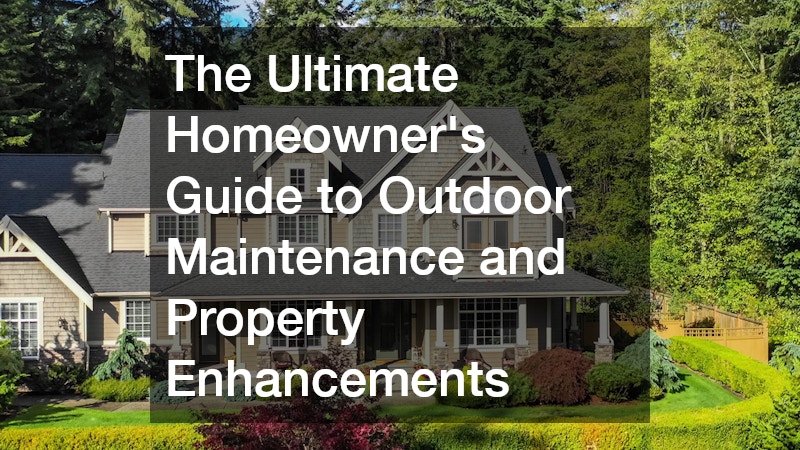
Your home’s exterior is more than a façade—it’s a protective barrier, a functional space for daily living, and one of the most significant contributors to your property’s overall value. While interior upgrades often receive the most attention, outdoor maintenance plays an equally important role in preserving structural integrity, preventing costly repairs, and enhancing curb appeal.
Weather exposure, soil movement, vegetation growth, and seasonal changes constantly impact your property. Without regular inspections and preventative care, minor issues can quickly escalate into expensive structural damage. On the other hand, thoughtful upgrades and consistent maintenance can improve drainage, reduce pest risks, strengthen boundaries, and create inviting outdoor living spaces.
Many exterior problems develop gradually. A small crack in the driveway may not seem urgent until it widens after winter. Slight pooling near the foundation might go unnoticed until moisture enters a basement wall. Overgrown landscaping can slowly push against siding or fencing. These subtle warning signs highlight why proactive inspection is far more affordable than reactive repair.
Curb appeal also carries financial weight. A well-maintained exterior creates a strong first impression for guests and potential buyers alike. Clean hardscapes, trimmed landscaping, stable fencing, and safe outdoor structures signal responsible ownership. Even if you have no immediate plans to sell, preserving the outside of your home protects your long-term equity.
This comprehensive guide walks homeowners through the most important outdoor maintenance strategies and property enhancements. By understanding when to maintain, repair, or upgrade—and by partnering with qualified professionals—you can protect your investment and enjoy a safer, more functional outdoor environment for years to come.
Protect Hard Surfaces and Structural Foundations Early
Driveways, walkways, patios, and foundations endure constant exposure to temperature changes, moisture, and ground movement. Regular evaluation and timely repair prevent small cracks from becoming major structural concerns.
Even minor surface damage can allow water to seep beneath slabs. Once moisture reaches the base layer, it weakens support and accelerates deterioration. Freeze-thaw cycles compound the problem, expanding trapped water and widening cracks over time.
Identify Surface Damage Before It Spreads
Cracking, flaking, and uneven slabs are early warning signs that should never be ignored. Reliable driveway services can address issues such as:
-
Surface cracks caused by freeze-thaw cycles
-
Oil stains that weaken materials over time
-
Sinking or uneven sections from soil settling
-
Poor drainage leading to standing water
Inspect paved areas at least twice per year. Pay attention to changes in elevation between slabs, which may indicate soil erosion underneath. Hairline cracks are often repairable with sealing compounds, while larger separations may require professional resurfacing.
Addressing minor cracks with sealing or resurfacing prevents water from penetrating deeper layers and eroding the base material.
When damage is more extensive, a qualified concrete contractor can evaluate whether resurfacing, slab lifting, or full replacement is the most cost-effective solution. Proper reinforcement and base preparation are critical for long-term durability. Cutting corners during installation often leads to premature failure.
Improve Drainage Around Hardscapes
Water management is essential for preventing foundation damage. Poor drainage doesn’t just harm paved areas—it can compromise the structural integrity of your home.
To reduce risk:
-
Ensure driveways slope away from the home
-
Clear debris from expansion joints
-
Install proper edging to prevent soil erosion
-
Monitor pooling water after heavy rain
If water consistently gathers in one area, it may signal grading issues or clogged drainage channels. Installing channel drains or adjusting surface slopes can significantly improve runoff control.
Proactive drainage improvements extend the life of paved surfaces and protect your foundation from long-term structural stress.
Manage Trees and Soil for Safety and Stability
Landscaping enhances curb appeal, but unmanaged vegetation can threaten your property. Trees, shrubs, and soil conditions all influence structural stability.
Remove Hazardous Trees Before Storm Season
Mature trees provide shade and beauty, but weakened limbs or unstable roots can cause severe damage during storms. Tree removal services may be necessary if you notice:
-
Cracks in large branches
-
Hollow trunks
-
Sudden leaning
-
Roots lifting sidewalks or driveways
Dead limbs can fall without warning, especially during high winds. Roots that extend toward foundations may also contribute to shifting or cracking over time.
Professional evaluation helps determine whether pruning or full removal is required. Removing compromised trees protects roofing, fencing, vehicles, and neighboring properties. It also reduces liability risks if falling branches cause injury.
Improve Soil Health and Erosion Control
Soil management plays a crucial role in protecting foundations and landscaping. Poor soil conditions can lead to erosion, unstable walkways, and plant decline.
Strategic mulch services offer multiple benefits:
-
Retain moisture during hot months
-
Prevent soil erosion
-
Suppress weed growth
-
Improve visual appeal
Apply mulch in a 2–3 inch layer and avoid piling it directly against tree trunks or siding. Proper spacing reduces the risk of moisture-related rot. Replenish mulch annually as it decomposes.
Healthy soil supports stable root systems and reduces the likelihood of shifting that can damage hardscapes. Consider periodic soil testing to evaluate nutrient levels and pH balance, ensuring plants thrive without excessive fertilizer use.
Prevent Overgrowth and Infestation Before Damage Occurs
Uncontrolled vegetation and pests can quietly undermine your property’s integrity. Early intervention protects both landscaping and structural components.
Eliminate Invasive Plant Growth
A professional weed removal service helps prevent invasive species from overtaking lawns and garden beds. Effective strategies include:
-
Seasonal pre-emergent treatments
-
Manual root extraction for deep growth
-
Landscape edging to contain spread
-
Routine monitoring for regrowth
Weeds growing along foundations or between pavers can trap moisture and widen cracks. Removing them promptly prevents further surface damage.
Persistent weeds compete for nutrients and water, weakening desired plants and creating an unkempt appearance.
Protect Your Home From Structural Threats
Routine pest control reduces the risk of damage caused by termites, rodents, ants, and other destructive intruders. Warning signs to watch for include:
-
Mud tubes near foundations
-
Chewed wiring or insulation
-
Small holes in siding
-
Increased insect activity around exterior lights
Preventative measures include:
-
Sealing cracks in foundations
-
Keeping firewood away from the home
-
Eliminating standing water
-
Trimming vegetation away from siding
Regular inspections catch infestations early, minimizing repair costs and preventing long-term structural damage.
Establish Durable Property Boundaries
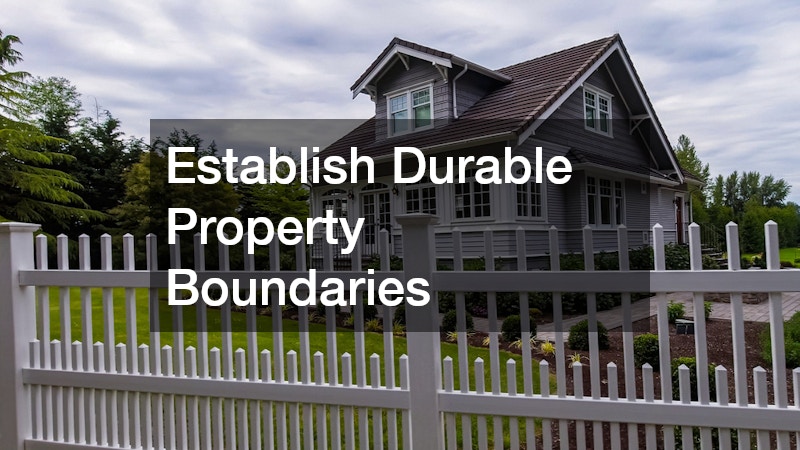
Clear boundaries enhance privacy, security, and visual appeal. A well-installed fence defines property lines while adding structure to landscaping.
Choose Low-Maintenance Fencing Solutions
Vinyl fencing offers durability, resistance to weather damage, and minimal upkeep. When planning installation:
-
Confirm property lines through a survey
-
Check local zoning requirements
-
Ensure proper post depth for stability
-
Select reinforced panels for wind resistance
Unlike wood, vinyl does not require painting or staining, making it a practical long-term investment. Occasional cleaning with mild detergent keeps panels looking new.
Prepare the Ground Properly
If your yard has uneven terrain or drainage concerns, hiring an excavating company ensures proper grading before fence installation. This process helps:
-
Create level surfaces
-
Improve drainage flow
-
Prevent post shifting
-
Reduce soil erosion
Stable soil foundations prevent leaning or warping over time. Addressing drainage during installation avoids premature structural failure.
Upgrade Outdoor Living Spaces Strategically
Outdoor living areas expand usable square footage and increase property value. Thoughtful design ensures safety, durability, and enjoyment.
Design Safe and Functional Deck Areas
A skilled deck builder can design structures that meet both aesthetic and safety standards. Important considerations include:
-
Load-bearing capacity
-
Slip-resistant materials
-
Proper railing height
-
Weather-resistant fasteners
Deck placement should account for sun exposure, drainage, and traffic flow from interior spaces. Built-in seating or lighting can enhance usability.
Routine maintenance tasks include:
-
Inspecting for loose boards
-
Tightening hardware
-
Cleaning surfaces
-
Sealing wood annually
Well-maintained decks provide safe spaces for entertaining and relaxation.
Reinforce Hardscaped Entertainment Areas
Working with a concrete contractor ensures patios and retaining walls are:
-
Properly reinforced with steel supports
-
Designed for drainage
-
Built to accommodate soil movement
-
Installed with expansion joints
High-quality hardscaping reduces erosion and increases durability in high-traffic areas. Proper installation ensures these spaces remain stable, attractive, and functional for years to come.
Protect Your Home From Water Damage
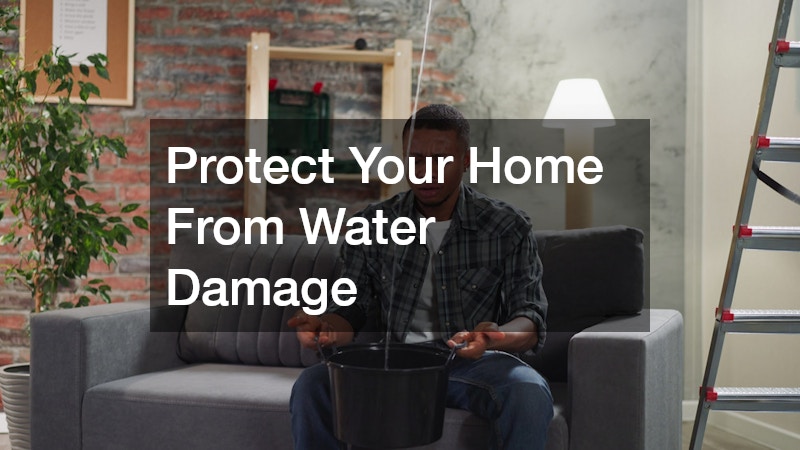
Water intrusion remains one of the most common causes of structural deterioration.
Install Effective Rainwater Management Systems
Professional gutter installation ensures water flows away from the foundation. Key components include:
-
Proper pitch alignment
-
Secure mounting brackets
-
Downspout extensions
-
Leaf protection systems
Clean gutters at least twice per year to prevent clogs that lead to overflow and siding damage.
Address Grading and Runoff Concerns
An experienced excavating company can reshape landscape grading to direct water safely away from the home. Solutions may include:
-
Installing French drains
-
Creating swales for runoff
-
Adding retaining walls
-
Redistributing soil for slope correction
Comprehensive drainage planning protects foundations, driveways, and landscaping investments.
Create a Seasonal Outdoor Maintenance Schedule
Routine scheduling prevents overlooked tasks and reduces emergency repairs.
Spring and Summer Tasks
-
Inspect fencing for winter damage
-
Schedule pest control treatments
-
Apply mulch services
-
Check irrigation systems
-
Evaluate driveway condition
Fall and Winter Preparation
-
Clean gutters
-
Trim hazardous branches
-
Seal cracks in paved surfaces
-
Remove debris from yards
Maintaining a seasonal checklist distributes maintenance evenly throughout the year and prevents overwhelming workloads.
Budget for Outdoor Improvements Wisely
Strategic budgeting ensures consistent property upkeep.
Allocate Annual Funds
Financial experts recommend setting aside 1–3% of your home’s value annually for maintenance and repairs. Separate funds for:
-
Emergency repairs
-
Planned upgrades
-
Landscaping improvements
Tracking service dates and warranty information helps anticipate future expenses.
Prioritize Projects Based on Risk
Address improvements in this order:
-
Safety hazards (unstable trees, cracked walkways)
-
Water management and drainage
-
Structural repairs
-
Cosmetic upgrades
Proactive investment reduces long-term repair costs.
Build Long-Term Relationships With Trusted Professionals

Reliable contractors simplify maintenance and enhance project outcomes. Instead of scrambling to find help during emergencies, homeowners who cultivate dependable professional relationships benefit from faster response times, better communication, and more consistent workmanship. Over time, trusted service providers become familiar with your property’s layout, materials, drainage patterns, and prior repairs—allowing them to spot developing issues quickly and recommend preventative solutions before they become costly problems.
Long-term partnerships also create efficiency. Contractors who already understand your expectations and property history can provide more accurate estimates and realistic timelines. This reduces delays, minimizes change orders, and creates smoother project execution overall. In many cases, established clients receive priority scheduling during peak seasons, which is especially valuable after major storms or during high-demand months.
Vet Service Providers Carefully
Before hiring driveway services, tree removal services, or a deck builder:
-
Verify licensing and insurance
-
Request written estimates
-
Review past projects
-
Confirm warranty coverage
Beyond these basics, take time to evaluate communication style and professionalism. Do they respond promptly to inquiries? Are estimates detailed and clearly itemized? A thorough proposal should outline materials, labor, timelines, cleanup responsibilities, and payment structure.
Ask how long the company has been in business and whether they have experience with properties similar to yours. A contractor familiar with local soil conditions, climate patterns, and municipal codes will be better equipped to deliver durable results.
It’s also wise to clarify who will supervise the project on-site and how unexpected issues will be handled. Establishing expectations in writing prevents misunderstandings later. Avoid unusually low bids that may indicate shortcuts, inferior materials, or lack of adequate insurance protection.
Maintain Ongoing Service Agreements
Recurring contracts for pest control and landscaping ensure priority scheduling and early issue detection. Preventative service agreements often include routine inspections, seasonal adjustments, and documented maintenance records.
Maintaining documentation of completed services builds a valuable property history file. This record can be helpful for warranty claims, insurance purposes, or future resale disclosures. Contractors who visit your property regularly can also monitor gradual wear patterns in surfaces, fencing, and drainage systems.
Establishing long-term relationships fosters accountability and consistent quality while giving you confidence that experienced professionals are proactively protecting your investment.
Conclusion
Outdoor maintenance and property enhancements require thoughtful planning, consistent inspections, and timely professional support. The most successful homeowners approach exterior care as an ongoing responsibility rather than a series of isolated projects. Small, consistent actions—like sealing cracks, adjusting drainage, trimming vegetation, and scheduling inspections—create cumulative protection over time.
By prioritizing structural protection, effective drainage, vegetation management, and durable upgrades, homeowners can prevent costly repairs and increase property value. Budgeting annually for maintenance, tracking service records, and evaluating risks before cosmetic upgrades ensures that resources are allocated wisely.
A proactive approach ensures your outdoor spaces remain safe, functional, and visually appealing. Instead of reacting to sudden failures, you’ll be working from a clear maintenance plan supported by trusted professionals. With strategic investments, detailed oversight, and consistent care, your property can withstand environmental challenges while continuing to provide enjoyment, stability, and long-term financial security for years to come.