
Property planning and upgrades are rarely isolated decisions. Every improvement, whether large or small, influences how a property functions, how it is perceived, and how well it holds its value over time. Owners who approach upgrades with a long-term mindset tend to avoid rushed decisions that create maintenance issues or uneven results later. Instead, they focus on how individual changes fit into the broader life cycle of the property, from initial condition to future use.
Effective planning requires understanding how different systems interact and how timing, budget, and durability shape outcomes. Structural elements, exterior protection, interior functionality, and visual presentation all play a role in whether an upgrade feels cohesive or fragmented. When improvements are planned with purpose, properties are better positioned to handle wear, adapt to changing needs, and remain attractive to occupants or buyers. A thoughtful approach also reduces disruptions, limits rework, and supports consistent performance across the entire structure.
Understanding Property Planning from a Roofing Perspective
Property planning benefits from viewing the structure as a complete system rather than a collection of separate components. Decisions about materials, layout, and upgrades should account for how the building protects itself from environmental exposure while supporting daily use. Exterior conditions, drainage patterns, and structural integrity often determine how well interior spaces perform over time. Understanding these relationships helps prevent upgrades that look good initially but create hidden issues later.
From this viewpoint, roofing plays a central role in protecting the entire structure. A solid roofing system influences moisture control, insulation performance, and long-term durability. When planning upgrades, a roofing perspective helps identify whether existing conditions can support additional improvements or if foundational issues need to be addressed first. Considering roofing early in the planning process allows owners to align upgrades with structural realities, reduce future repair risks, and make decisions that support consistent performance across the property.
Evaluating Structural Needs Before Upgrades Begin
Evaluating structural needs is a critical step before committing to visible upgrades. While surface-level improvements often draw the most attention, underlying structural conditions determine how well those changes hold up over time. Load-bearing elements, framing integrity, and overall building stability influence what upgrades are feasible and how they should be executed. Addressing these factors early helps avoid costly corrections after work has already begun.
A thorough evaluation often benefits from insight provided by a roofing company, particularly when upgrades affect exterior systems or add stress to the structure. Roofing assessments can reveal issues such as hidden moisture intrusion, weakened supports, or aging materials that may compromise future improvements. Identifying these concerns before moving forward allows owners to adjust plans, prioritize repairs, and build on a stable foundation.
Balancing Maintenance and Improvement Priorities
Property owners often face the challenge of deciding when to maintain existing features and when to pursue new improvements. Routine upkeep helps preserve performance and prevent deterioration, while upgrades introduce enhancements that can improve usability or appearance. Striking the right balance between these two priorities supports steady property performance without allowing deferred maintenance to undermine future improvements.
From a practical standpoint, roofing services often illustrate this balance clearly. Ongoing maintenance can extend the lifespan of existing materials, while targeted improvements address evolving needs or exposure concerns. Recognizing when maintenance is sufficient and when improvement is necessary helps owners allocate resources wisely. When these priorities are evaluated together, properties benefit from consistent protection and controlled investment rather than reactive decision-making.
Additional clarity comes from understanding how maintenance and improvements affect one another over time. Skipping necessary upkeep in favor of visible upgrades may create short-term appeal but often leads to higher costs later. Conversely, focusing only on maintenance without planning improvements can limit functionality and long-term value. Reviewing conditions regularly allows owners to time improvements strategically, addressing wear before it becomes disruptive while still moving forward with planned enhancements.
Coordinating Exterior and Interior Improvements
Exterior and interior improvements are closely connected, even when they appear to be separate projects. Changes made outside the property can influence interior comfort, moisture control, and structural performance. Coordinating these improvements allows owners to sequence work efficiently, reduce disruptions, and maintain continuity across upgrades.
Interior updates are often planned alongside broader renovation efforts. Home remodeling projects frequently rely on exterior conditions being stable and weather-resistant before interior finishes are completed. Coordinating both areas helps prevent damage to new interior work and supports smoother transitions between project phases. When exterior and interior improvements are aligned, properties tend to feel more cohesive and better equipped to handle long-term use.
Effective coordination also improves communication and decision-making throughout the project lifecycle. When upgrades are planned together, timelines are easier to manage and responsibilities are clearer. This approach reduces downtime between phases and helps avoid situations where completed work must be revisited due to overlooked dependencies. Coordinated planning supports efficient use of labor, materials, and access points while minimizing disruption to occupants.
Accounting for Risk and Property Protection
Every property upgrade carries some level of risk, whether related to construction, weather exposure, or long-term liability. Accounting for these risks early helps owners protect their investment and avoid unexpected setbacks. Evaluating potential vulnerabilities allows for better planning, clearer expectations, and more informed decisions throughout the upgrade process.
Protection strategies often extend beyond physical improvements. Business insurance plays a role in managing financial risk associated with property upgrades, particularly during construction or renovation phases. Understanding how protection measures align with improvement plans helps owners safeguard assets while work is underway. When risk is accounted for as part of the planning process, property upgrades can move forward with greater confidence and stability.
Risk planning also supports better decision-making when conditions change. Construction delays, material shortages, or unexpected damage can affect timelines and budgets if contingencies are not considered in advance. Preparing for these possibilities allows owners to respond calmly rather than reactively.
Assessing Long-Term Value and Durability
Long-term value is shaped by how well property upgrades perform years after they are completed. Materials, installation quality, and exposure to environmental conditions all influence durability. Owners who focus only on immediate appearance may overlook factors that affect maintenance costs, performance, and lifespan. Assessing durability during the planning phase helps upgrades age more gracefully and reduces the likelihood of premature repairs or replacements.
Durability decisions are often informed by experience with exterior systems that face constant exposure. A roofing contractor understands how material selection, installation methods, and environmental stress impact long-term performance. This perspective helps property owners evaluate whether upgrades will hold up under real-world conditions rather than ideal ones. When durability is prioritized alongside appearance, improvements are more likely to protect the property, retain value, and support consistent performance over time.
Looking beyond installation, long-term durability also affects operating costs and future flexibility. Upgrades that perform reliably reduce ongoing maintenance demands and allow owners to plan future improvements without correcting earlier shortcomings. Durable materials and thoughtful installation also support resale value by signaling quality and care to future occupants or buyers.
Planning Projects Around Timelines and Budgets
Timelines and budgets are central to every property upgrade decision. Without realistic planning, even well-designed projects can experience delays, cost overruns, or unfinished phases. Effective planning considers not only the scope of work but also access, sequencing, and how upgrades affect property use during construction. Aligning expectations early helps owners make informed decisions and avoid unnecessary disruptions.
Properties that are actively occupied or transitioning between uses require additional coordination. When upgrades involve a business space for lease, timing becomes especially important to minimize vacancy periods or interruptions. Budget planning must account for both construction costs and the potential impact on occupancy or revenue. By aligning project timelines with financial goals, owners can move forward confidently while maintaining control over costs and scheduling.
Flexibility also plays a role in successful planning. Delays related to materials, inspections, or weather can affect timelines even when plans are solid. Building contingency time and budget allowances into the project reduces pressure when adjustments are needed.
Working Alongside Builders and Remodelers
Successful property upgrades often involve collaboration across multiple disciplines. Clear communication and aligned expectations help projects move smoothly and reduce misunderstandings. When planning improvements, owners benefit from understanding how different roles contribute to the overall outcome and how decisions in one area influence others.
Collaboration is especially important when projects involve new construction or significant redesigns. Custom home builders bring insight into how structural changes, layouts, and materials interact across the property. Working alongside experienced builders allows owners to coordinate upgrades more effectively and address potential challenges before construction begins. This collaborative approach supports efficient execution, consistent quality, and upgrades that align with long-term property goals.
Strong collaboration also helps prevent costly revisions later in the process. When builders, planners, and decision-makers are aligned from the start, design intent and execution remain consistent. This reduces delays caused by rework or conflicting priorities.
Considering Compliance and Local Requirements
Compliance with local requirements is a critical part of property planning that can easily be overlooked during upgrades. Building codes, zoning rules, and inspection requirements influence what work can be completed, how it must be performed, and when approvals are required. Failing to account for these regulations early can result in delays, added costs, or the need to revise completed work. Understanding local requirements helps owners plan upgrades that move forward smoothly and meet established standards.
Many exterior improvements are subject to specific regulations related to safety and installation practices. A roofer familiar with local requirements can help identify code-related considerations tied to materials, slope, ventilation, and load limits. Addressing compliance during the planning phase reduces the risk of failed inspections and supports a smoother construction process. When local requirements are treated as part of the overall strategy rather than an afterthought, upgrades tend to progress more predictably and with fewer complications.
Beyond initial approvals, compliance also affects long-term use and future changes to the property. Work that meets current standards is easier to modify or build upon later without triggering corrective action. Maintaining proper documentation, permits, and inspection records supports smoother transactions if the property is sold or leased. When compliance is integrated into planning from the start, owners reduce uncertainty, protect their investment, and maintain flexibility for future upgrades or adjustments.
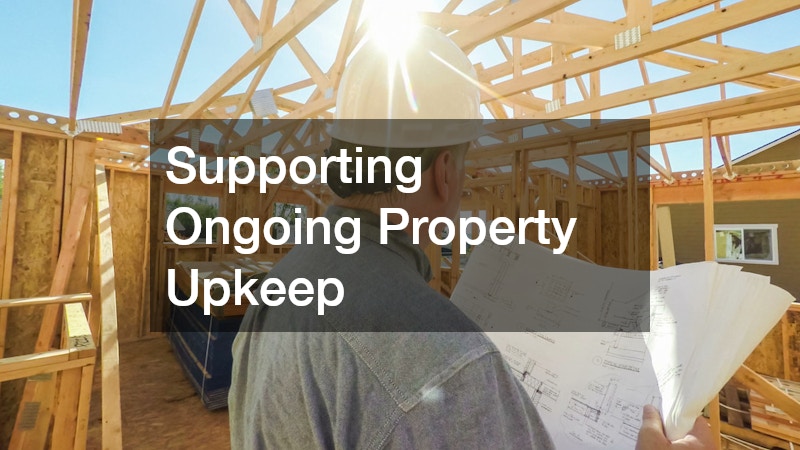
Supporting Ongoing Property Upkeep
Ongoing upkeep plays a major role in preserving the value and functionality of a property after upgrades are complete. Even well-planned improvements require regular attention to maintain performance and appearance over time. Establishing a maintenance mindset helps owners protect their investment and avoid the gradual decline that can occur when upkeep is deferred.
Visual elements also contribute to long-term upkeep considerations. Features such as a custom business sign support visibility and presentation but require periodic evaluation to remain effective and well-maintained. Planning for upkeep ensures that these elements continue to reflect the property’s purpose and condition. When maintenance is built into long-term planning, properties remain functional, professional in appearance, and better prepared to adapt to future needs without requiring extensive corrective work.
Consistent upkeep also allows owners to identify emerging issues before they escalate. Small repairs, adjustments, or updates can often be handled efficiently when addressed early. This approach reduces disruption, spreads costs over time, and supports more predictable property management. When maintenance is treated as an ongoing responsibility rather than a reaction to problems, upgrades continue to deliver value long after installation is complete.
Property planning and upgrades benefit from a thoughtful, informed approach that considers more than immediate needs. Decisions made during planning influence how well improvements perform, how long they last, and how effectively they support future goals. By evaluating structure, durability, timing, and coordination, property owners position themselves for smoother projects and more reliable outcomes.
Looking at upgrades through an experienced, system-wide lens helps prevent fragmented decisions that lead to inefficiencies or repeated work. When planning is proactive rather than reactive, upgrades tend to align more closely with long-term use, compliance requirements, and maintenance expectations. This approach supports properties that are not only improved in the short term but also better prepared for years of continued use.
Ultimately, successful property upgrades reflect clarity of purpose and attention to detail. When owners take the time to plan carefully, coordinate effectively, and consider long-term implications, improvements become lasting assets rather than temporary solutions. This mindset supports confident decision-making and properties that continue to perform, adapt, and retain value well into the future.