
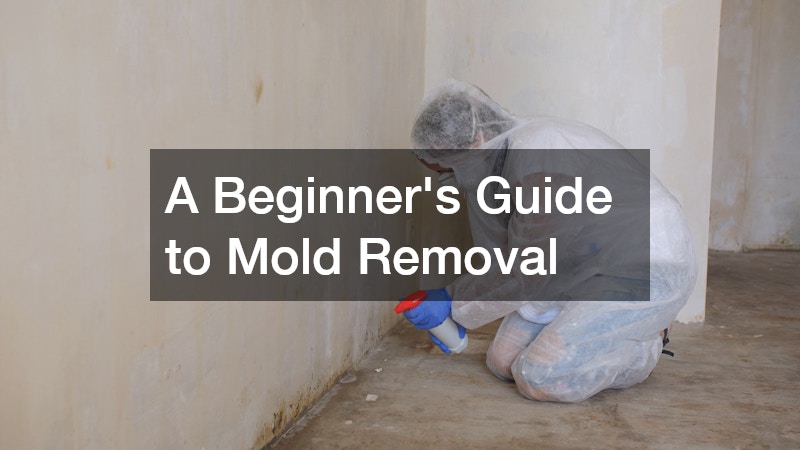
Finding mold in a home can be unsettling, especially for someone who has never dealt with it before. The problem often starts quietly, with a musty smell, a dark patch near a baseboard, or discoloration around a bathroom ceiling. What seems minor at first can spread when moisture stays trapped behind walls, under flooring, or around windows. Learning the basics of cleanup, prevention, and professional help can make the situation feel much more manageable. For many homeowners, calling a qualified mold removal service is the safest way to move from uncertainty to a clear plan.
Why Mold Develops in the First Place
Mold grows where moisture and organic material meet. Drywall, wood, insulation, carpet backing, and even dust can support growth when humidity stays high or water damage is left unresolved. Leaky pipes, roof problems, poor ventilation, and flooding are all common triggers. Bathrooms, laundry rooms, basements, and crawl spaces tend to be the most vulnerable because they often hold moisture longer than other parts of a house.
A beginner should understand one important point early on: removing visible mold without fixing the moisture source rarely solves the problem. Wiping a surface clean may improve the appearance for a short time, but the growth can return if the underlying issue remains. Successful mold removal starts with identifying why the area stayed damp in the first place. Without that step, cleanup becomes a temporary patch rather than a real solution.
Common Warning Signs To Watch For
Some mold problems are obvious, but others are easy to overlook. Discoloration on walls or ceilings may appear black, green, brown, or white, depending on the material and the stage of growth. Paint may bubble, drywall may soften, and wood can begin to warp. A persistent earthy or musty odor is another strong clue, even when you cannot immediately see the source.
Beginners should also pay attention after plumbing leaks, appliance overflows, or storms. Mold does not always wait long to begin growing when the conditions are right. Checking under sinks, around tubs, near window frames, and inside storage areas can help catch a problem before it spreads further. When the affected area is large, hidden, or linked to earlier water damage, a mold removal service can inspect the space more thoroughly and help determine how extensive the issue really is.
When To Handle It Yourself And When To Call A Professional
Small areas of surface mold on non-porous materials may sometimes be cleaned with the right protective gear and careful containment. Gloves, eye protection, and proper ventilation matter because disturbing mold can release particles into the air. Even then, cleaning should be limited to situations that are truly minor and easy to access. Someone new to the process should avoid treating every stain as a simple do-it-yourself project.
Professional help becomes more important when mold covers a larger space, returns after cleanup, or appears to be inside walls, ceilings, or HVAC components. The same is true when water damage is significant or when the source of moisture is still unclear. A professional mold removal service usually has the equipment to contain affected areas, remove damaged materials safely, and reduce the chance of cross-contamination in other parts of the home. Experience also matters when deciding what can be cleaned and what should be discarded.
What The Removal Process Usually Looks Like
Although each property is different, the process usually follows a similar pattern. First comes inspection and moisture assessment. Then the affected area is contained so spores do not spread through the house during cleanup. Air filtration may be used to capture airborne particles while damaged materials are removed. Porous items that cannot be effectively cleaned are often discarded, while salvageable surfaces are treated and dried thoroughly.
After removal, attention shifts to correcting the cause of the problem. That may mean repairing a leak, improving drainage, increasing ventilation, or using dehumidification in a damp area. A reliable mold removal service should treat moisture control as part of the broader solution, not as an afterthought. Lasting results depend on creating an environment where mold is less likely to return.
How To Help Prevent Future Growth
Prevention is often less complicated than cleanup. Keeping indoor humidity under control, fixing leaks promptly, and drying wet materials quickly after spills or storms can make a major difference. Exhaust fans in bathrooms and kitchens help move moisture out of the home, while regular inspections can reveal small issues before they become expensive ones. Basements and crawl spaces may also benefit from dehumidifiers when dampness is a recurring concern.
Homeowners should also be cautious about ignoring condensation. Water collecting on windows, pipes, or HVAC components can signal a ventilation or humidity problem that needs attention. Routine maintenance, faster drying, and better airflow all help reduce the conditions mold depends on. If the problem keeps returning despite those efforts, a mold removal service can help identify hidden factors that may not be obvious during a casual inspection.
Mold removal can feel intimidating at first, but the basics are straightforward once you understand the process. Moisture causes the problem, early warning signs matter, and proper cleanup depends on addressing more than what is visible on the surface. A calm, informed response can protect both your home and your peace of mind. For beginners facing a suspicious patch, lingering odor, or signs of past water damage, getting guidance from a trusted professional is often the smartest first step.