
The appeal of a heritage commercial property is undeniable. These buildings often sit at the heart of historic downtown districts, boasting architectural details that modern construction simply cannot replicate. From intricate brickwork to soaring ceiling heights, legacy properties offer a sense of permanence and prestige. However, for a business owner, these structures present a unique set of challenges. Transitioning a building from a state of neglect or historical stagnation into a high-functioning modern workspace requires more than just a fresh coat of paint. It demands a strategic approach that respects the past while embracing the efficiency of the future. This journey from legacy to modernity is not just about a physical building; it is about revitalizing the very soul of a neighborhood and ensuring that the stories within the walls continue for decades to come.
This guide explores the multifaceted process of upgrading a heritage property. It is not merely about aesthetics; it is about ensuring the physical and financial longevity of a commercial asset in a competitive market. Whether a firm is moving into a century-old warehouse or modernizing a family-owned storefront, the goal remains the same: creating a space where history and productivity coexist.
Protecting the Future Through Strategic Planning
Every major business decision should be viewed through the lens of long-term goals. When a company invests in a heritage property, it is often thinking about the legacy it will leave behind for those who follow. This is why the physical state of a building is a critical component of business succession planning. A well-maintained facility is a transferable asset that adds significant weight to the company’s balance sheet. If the building is falling apart or inefficient, it becomes a liability for the next generation of leadership or a potential buyer who may be wary of hidden costs.
By addressing structural and mechanical issues during a commercial renovation, owners ensure that the transition of the company is smooth and the asset remains attractive. A modernized heritage building retains its market value and serves as a stable foundation for whatever comes next in the business cycle. Investors and successors look for properties that have been systematically upgraded, as these require less capital expenditure in the future. It is about building a bridge between the founders who established the business in a historic location and the leaders who will take it into the next century, ensuring the firm stays rooted in its community.
Securing the Envelope from Above

The most critical element of any building restoration is the roof. In heritage structures, the roofing system is often the first thing to fail, and the damage caused by a leak can be catastrophic to the original woodwork and masonry. When dealing with historic materials like slate, clay tile, or old-growth timber frames, it is essential to partner with a specialized roofing contractor. These professionals understand that a heritage roof requires a different set of skills than a standard asphalt shingle installation on a modern suburban office. They have the tools and the experience to handle the unique pitches and drainage patterns found in older designs.
A specialist can identify where original drainage systems might be failing and suggest modern materials that mimic the historical look while offering superior weatherproofing. They can also reinforce the underlying structure to support modern insulation requirements, which were often nonexistent when the building was first raised. By securing the roof first, an owner protects every other investment made inside the building. It is the first line of defense against the elements and the most important step in ensuring the building survives another fifty years of service. Skilled industrial painters can then be brought in to seal any exterior elements that have been exposed to moisture over the years.
Modern Comfort in Historic Bones
One of the biggest complaints in older buildings is the lack of climate control. High ceilings and drafty windows make heritage spaces notoriously difficult to heat and cool, often resulting in “hot spots” or cold drafts. To solve this, a commercial HVAC contractor must design a custom solution that fits within the existing constraints of the property. This might involve installing ductless mini-split systems to avoid tearing out original plaster or using high-velocity systems that can snake through narrow wall cavities that were never designed for ducts.
Today’s energy-efficient units also significantly reduce the overhead costs that often plague legacy properties. Retrofitting a building with a smart climate control system allows a business to enjoy the charm of the past without the staggering utility bills typically associated with old-world architecture. To keep these systems running smoothly, many owners also coordinate with business cleaning companies to ensure that vents and air intakes remain free of the fine dust that often settles in older structures.
Illuminating the Past with Modern Clarity

The facade of a heritage building is its most public-facing asset and the first thing a client sees. However, the original windows in these structures are often single-pane and incredibly inefficient, letting in cold air and noise from the street. A professional storefront glass installation can transform the entire look and feel of a commercial space while providing a much-needed barrier. Modern glass technology allows for large, clear spans that invite natural light deep into the building, which is essential for employee wellness and retail appeal.
When upgrading the glass, it is possible to maintain the historic framing while using double-pane, low-emissivity glass that blocks harmful UV rays. This protects the interior furnishings and reduces the load on the heating and cooling systems. The right glass setup acts as a bridge between the street and the business, showcasing the heritage character while signaling to customers that the company inside is modern and forward-thinking. Unfortunately, these large glass areas can sometimes attract unwanted attention, making it wise to consult with commercial pest control experts to ensure that seals around new windows remain tight and secure against small invaders.
Balancing Preservation and Progress
Once the exterior is secure and the climate is controlled, the focus shifts to the interior layout. A commercial renovation in a heritage setting is a delicate balancing act that requires a vision for how the space will be used today. It involves stripping away decades of low-quality “modern” additions—like dropped ceilings or vinyl flooring—to reveal the original character of the building. This process often uncovers hidden gems like original brickwork, hardwood floors, or decorative cast iron columns that have been hidden for a generation.
The goal is to create a functional layout that supports modern technology and open-office concepts while leaving the historic elements exposed. This might include updating the electrical grid to support high-speed internet and server rooms or installing acoustic panels that match the industrial aesthetic. A successful renovation makes the building feel like it was always meant to be a 21st-century workspace. It is about honoring the craftsmanship of the original builders while ensuring the space meets current safety and accessibility codes. Throughout this process, businesses must rely on accurate accounting services to track the various costs and potential tax incentives available for historic preservation projects.
Protecting Surfaces for the Long Haul
In an industrial or heavy-use commercial environment, the durability of finishes is just as important as their appearance. Heritage buildings often feature surfaces that have been battered by time, from rusted metal to weathered wood. This is where industrial painters come into play. These professionals deal with more than just color; they apply specialized coatings that protect metal structures from rust and seal old masonry against moisture intrusion. They know how to treat surfaces that have been painted dozens of times over the last century.
Concrete floors might require high-performance epoxies that can handle the traffic of a modern retail space or showroom. By using the right industrial-grade products, business owners can ensure that the “new” look of their heritage property doesn’t fade or peel within a few years. It is an investment in the resilience of the building’s interior and exterior surfaces. This level of care is especially important when a company is planning for moving services to bring in heavy equipment that could potentially scuff or damage untreated surfaces.
Post-Construction Care and Ongoing Hygiene
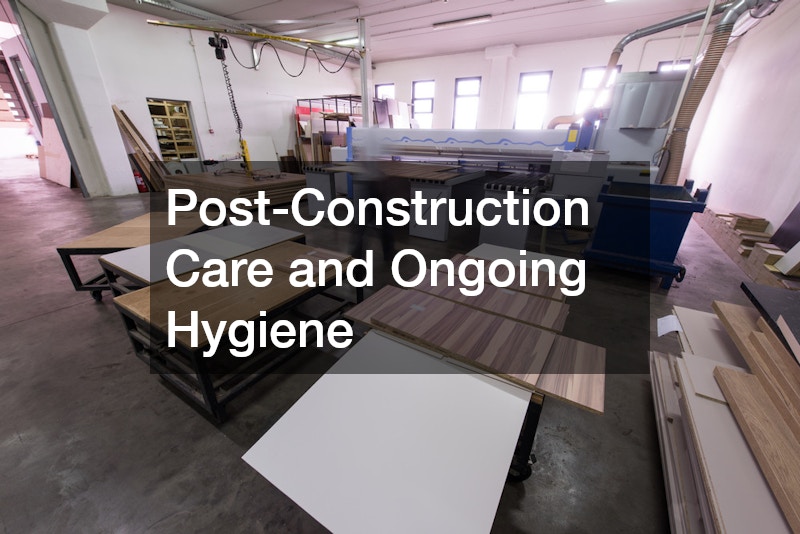
Once the heavy lifting of renovation is complete, the focus shifts to maintenance and upkeep. Heritage materials like marble, brass, and reclaimed wood require specific care protocols that differ from modern laminates and plastics. Establishing a relationship with business cleaning companies that have experience in high-end or historic environments is vital. Standard cleaning agents can sometimes be too harsh for century-old finishes, leading to permanent dulling or chemical damage over time.
Professional cleaners who understand the nuances of a heritage site will know how to polish original hardware and maintain the luster of historic floors without causing wear. This ongoing attention to detail keeps the property looking its best and prevents the “grungy” feel that can sometimes creep into older buildings if they are neglected. Additionally, these teams often work alongside a commercial HVAC contractor to ensure that filters are changed regularly, keeping the air as fresh as the decor.
Silent Guardians of Historic Structures
One of the less glamorous but equally essential aspects of managing a legacy property is protecting it from biological threats that can hide in the walls. Older buildings often have small gaps in the foundation or roofline that have developed over decades, providing easy entry points for pests. Implementing a plan for commercial pest control is a non-negotiable part of property management. Termites, in particular, can do devastating damage to the heavy timber frames often found in heritage buildings before they are even detected by the naked eye.
Regular inspections and preventative treatments ensure that the building remains a safe and sanitary environment for everyone. Modern pest management focuses on exclusion—sealing the building so pests can’t get in—rather than just reacting to an infestation after it occurs. For a heritage property, this proactive approach is the best way to preserve the original materials from being hollowed out from the inside. This is particularly important before a new storefront glass installation is completed, as sealing the perimeter is easiest during the construction phase.
The Financial Blueprint of Restoration
The costs associated with upgrading a legacy property can be significant, but so are the potential rewards. To navigate the financial complexity of historic tax credits, depreciation, and renovation budgets, owners need specialized accounting services. In many jurisdictions, there are significant financial incentives for preserving historic buildings. These can include federal tax credits or local property tax abatements that offset a large portion of the renovation costs. Understanding these incentives is the difference between a project that is a financial burden and one that is a smart investment.
They can also provide advice on how to structure the building’s ownership to be most tax-efficient. Managing the finances of a heritage project requires a high level of precision to ensure that the “legacy” being built is a profitable one. Often, these financial experts will recommend having a certified roofing contractor provide a detailed estimate to help with capital expenditure planning and insurance negotiations.
Relocating into a Piece of History
Finally, the moment comes to move the business into the newly modernized space. This is a logistical feat that requires careful coordination and a soft touch. Using professional moving services is the best way to ensure that expensive office equipment, furniture, and inventory are transported without damaging the building’s freshly restored interior. Heritage buildings often have unique features like narrow door frames or original elevators that require movers with a high level of expertise and patience to navigate.
As the staff settles into the space, the benefits of the upgrade become clear in their daily productivity and morale. The atmosphere of a heritage building fosters a unique company culture that a bland, modern glass box simply cannot match. It connects the employees to the history of their city and their industry in a tangible way. This successful relocation is the final piece of the puzzle in business succession planning, as it proves the company is capable of growth and adaptation.
The Lasting Impact of Modernized Heritage
Upgrading a heritage commercial property is a significant undertaking that requires a blend of respect for the past and a clear vision for the future. It is not just about fixing what is broken; it is about reimagining what a historic space can be in a modern, fast-paced economy. When a business takes the time to invest in high-quality systems, they are doing more than just maintaining a building. They are participating in the stewardship of their community’s history and ensuring that the architectural landscape remains diverse and interesting.
The result is a space that stands out in a crowded market. Customers appreciate the character of an old building, and employees enjoy the warmth and uniqueness of a space with a story to tell. By integrating modern efficiency with historic charm, a business creates a powerful brand statement that resonates with everyone who walks through the door. It says that they are established, resilient, and prepared for whatever the future holds. This commitment to quality and history is what transforms a simple building into a true legacy property.